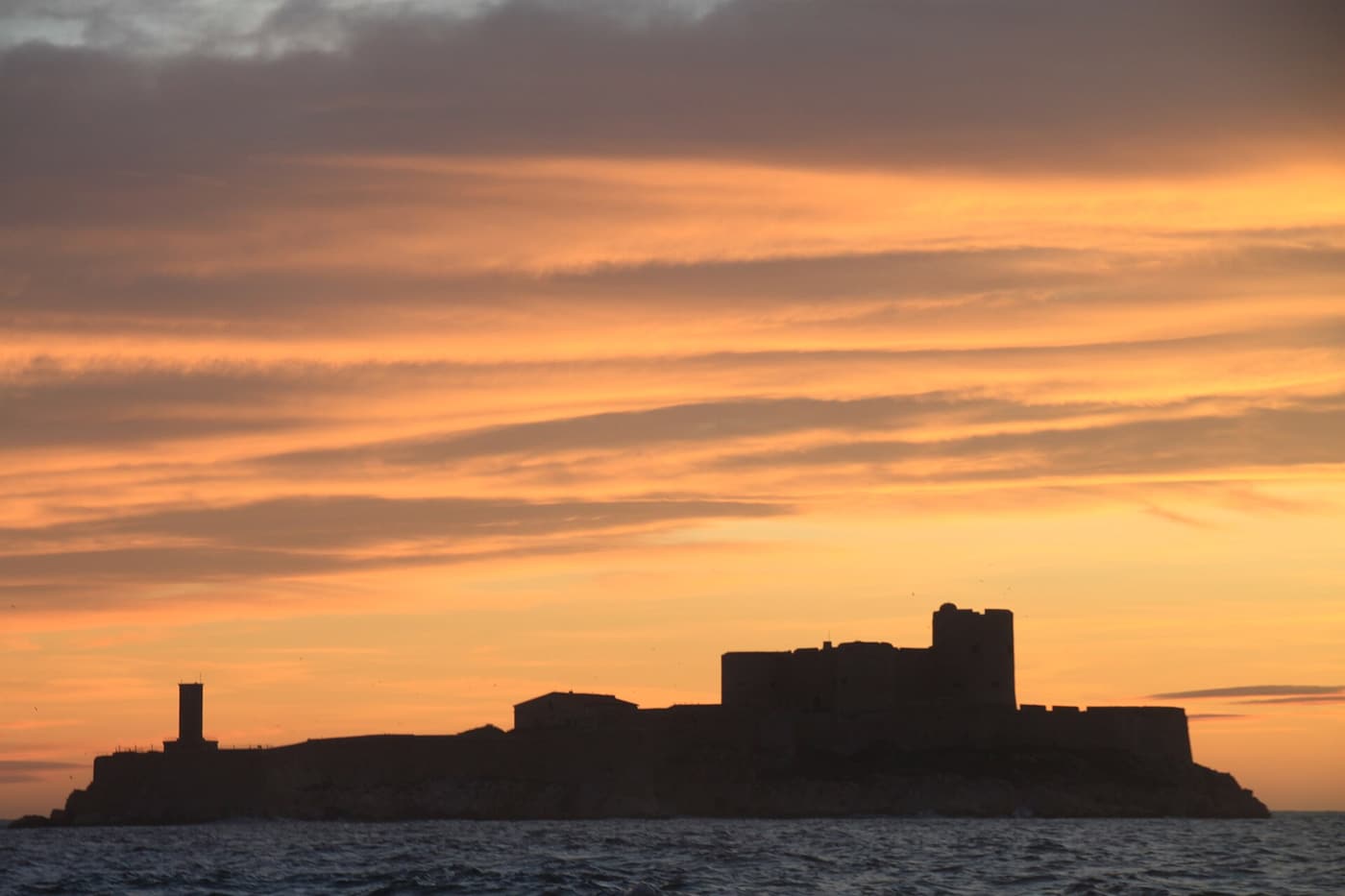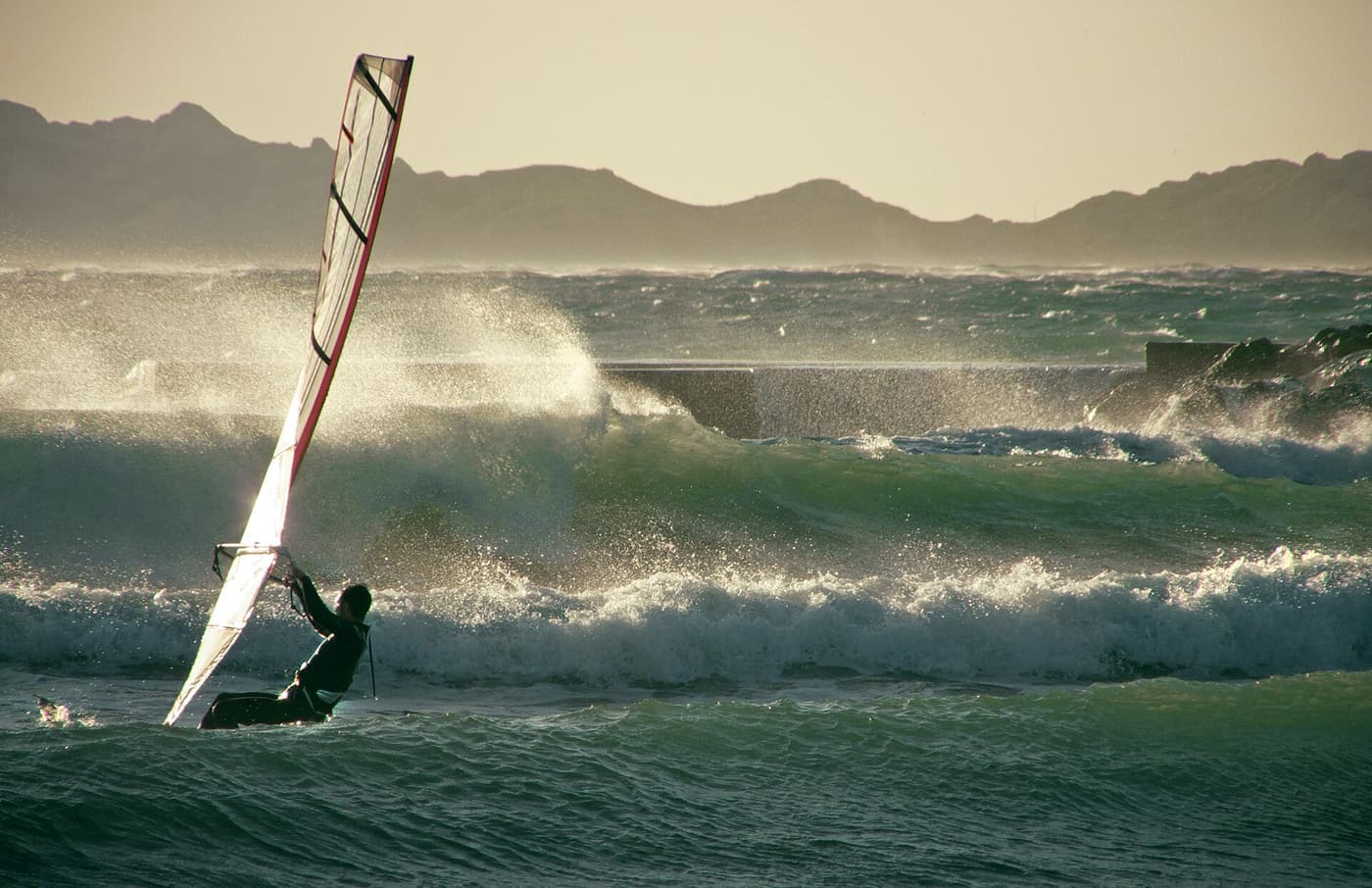
Marseille is one of the sunniest cities in France, and the Château d'If can be visited all year. But two things change a great deal with the seasons: the crowds on the boats and the likelihood of a wind that stops them.
In short
- Best overall: late May, June and September — warm, long days, swimmable sea and fewer people than high summer.
- Busiest: July and August, with full boats, queues and strong heat on the islands — but the most frequent crossings and the warmest sea.
- Quietest: November to February, with cheaper hotels and empty islands, but shorter hours, fewer boats and more Mistral cancellations.
- Best time of day: the first boat of the morning, or late afternoon for the light.
Month by month
| Months | Weather & sea | Crowds | For the islands |
|---|---|---|---|
| Dec – Feb | Mild days, cool nights; sea cold; Mistral frequent | Very quiet | Fewer boats, more cancellations; peaceful visits on calm days |
| Mar – Apr | Spring sun, cool sea; windy spells | Rising at Easter | Pleasant walking on Frioul; swimming only for the brave |
| May – Jun | Warm and bright; sea warming through June | Moderate, busy weekends | Excellent: long days, flowers, first good swims |
| Jul – Aug | Hot, dry; warmest sea | Very busy | Go early; book cruises; heat and no shade on the islands |
| Sep – Oct | Warm September, milder October; sea still warm | Moderate | Excellent: warm water, fewer people |
| Nov | Cooler, rain more likely | Quiet | Calm days can be lovely; check boats |
 Sightseeing cruise from €62
Marseille All Year Round: Heritage Tour on a Covered Catamaran
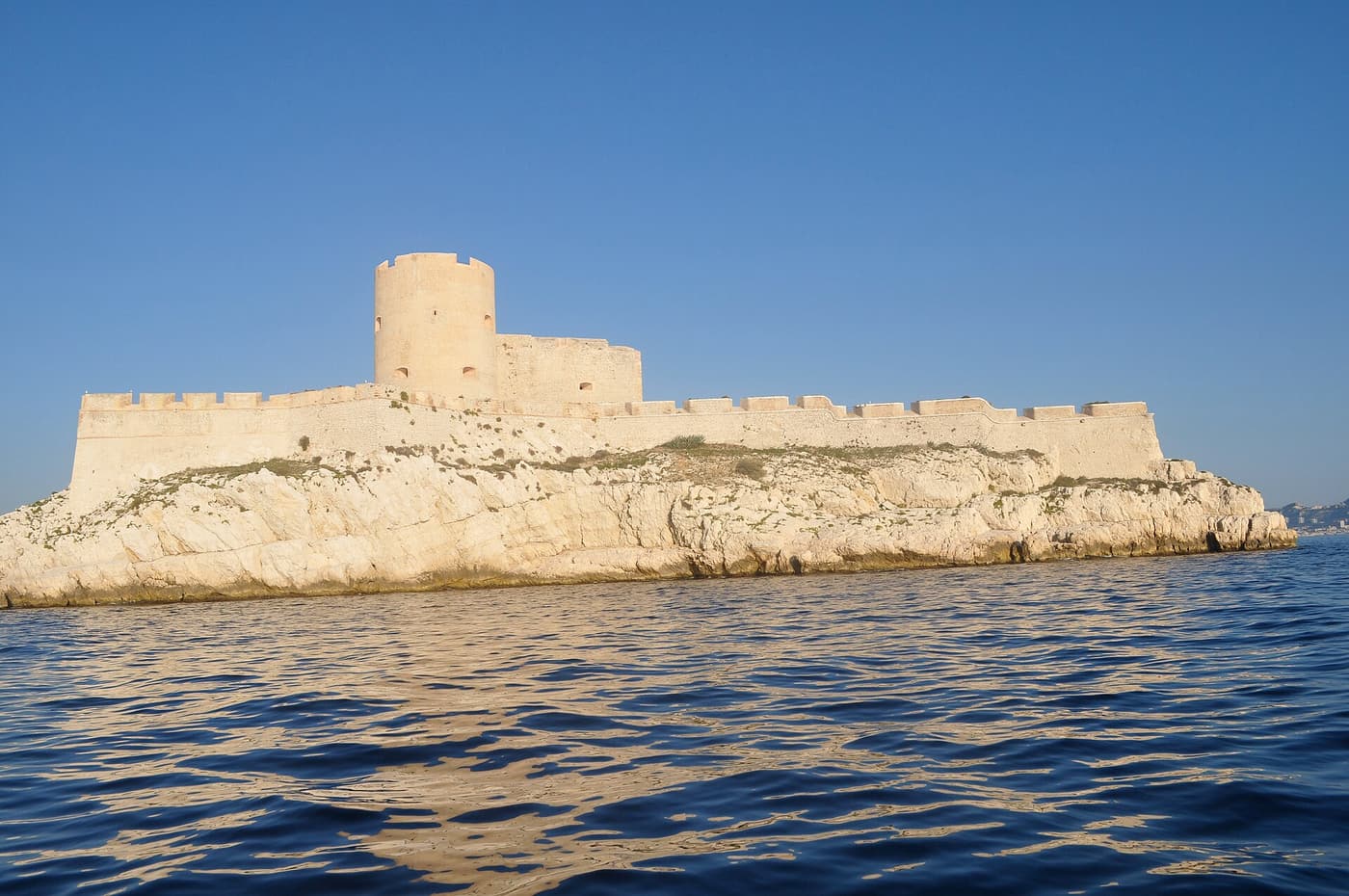
A two-hour cultural cruise between the Old Port, the Frioul islands and the Château d'If on a covered electric catamaran — designed to run all year, so it is one of the few options in the cooler months. New on the market at the time of writing, with no reviews yet.
- Electric catamaran with a covered deck
- Old Port, Frioul and Château d'If from the sea
- Runs in winter as well as summer
 Boat transfer with entry ticket from €58
Marseille: Skip-the-Line Boat Trip to Île d'If with Castle Entry
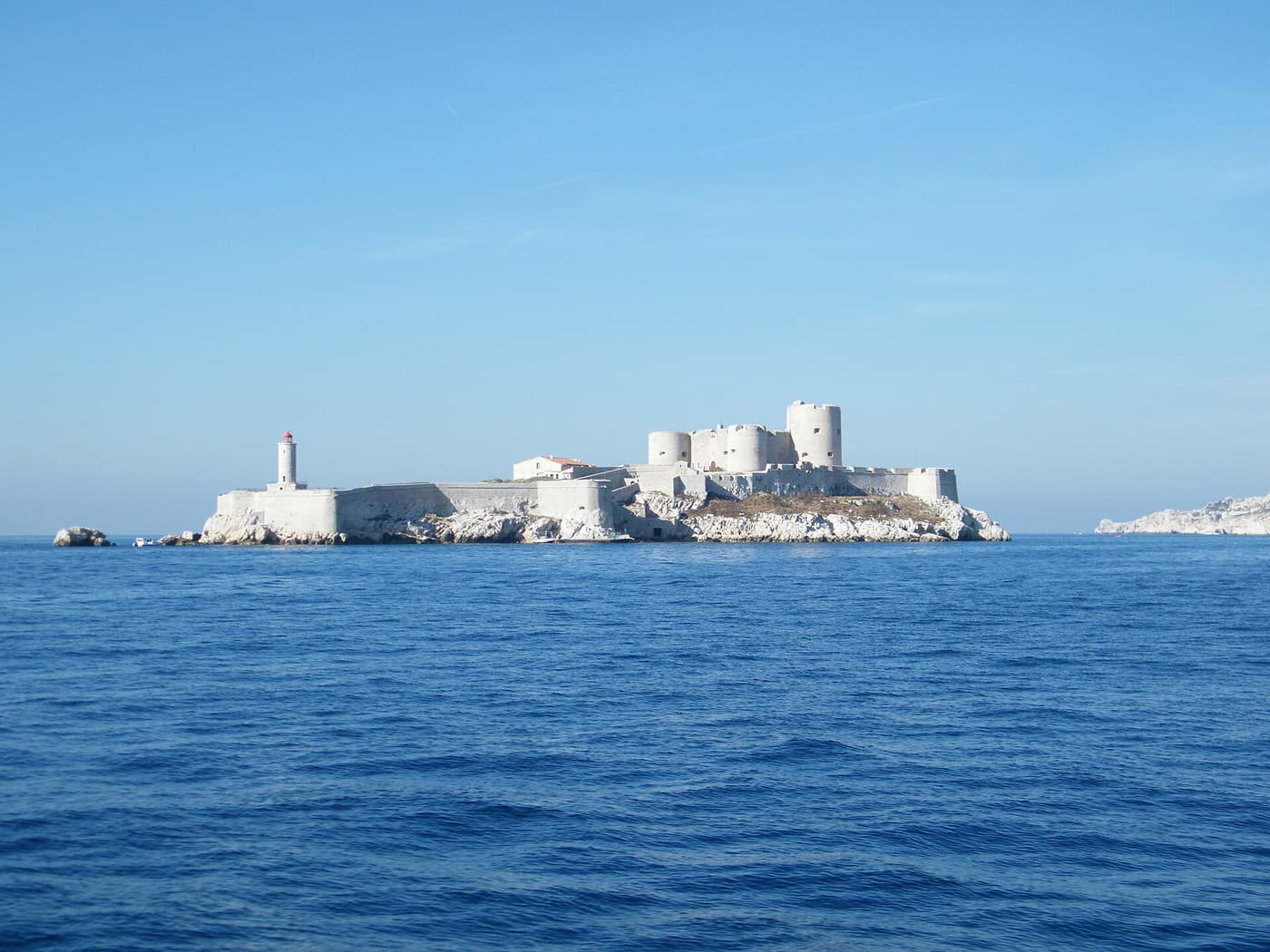
The straightforward way to actually go inside the Château d'If with everything arranged: you meet the operator's staff in Marseille, cross by boat to the island and visit the fortress — cells, courtyard and ramparts — on your own before returning. As with every crossing to If, departures depend on sea and wind.
- Return boat to the island
- Entry to the Château d'If included
- Explore the fortress at your own pace
 Small-group boat tour from €79
From Marseille: Iconic Calanques Boat Tour with Swimming
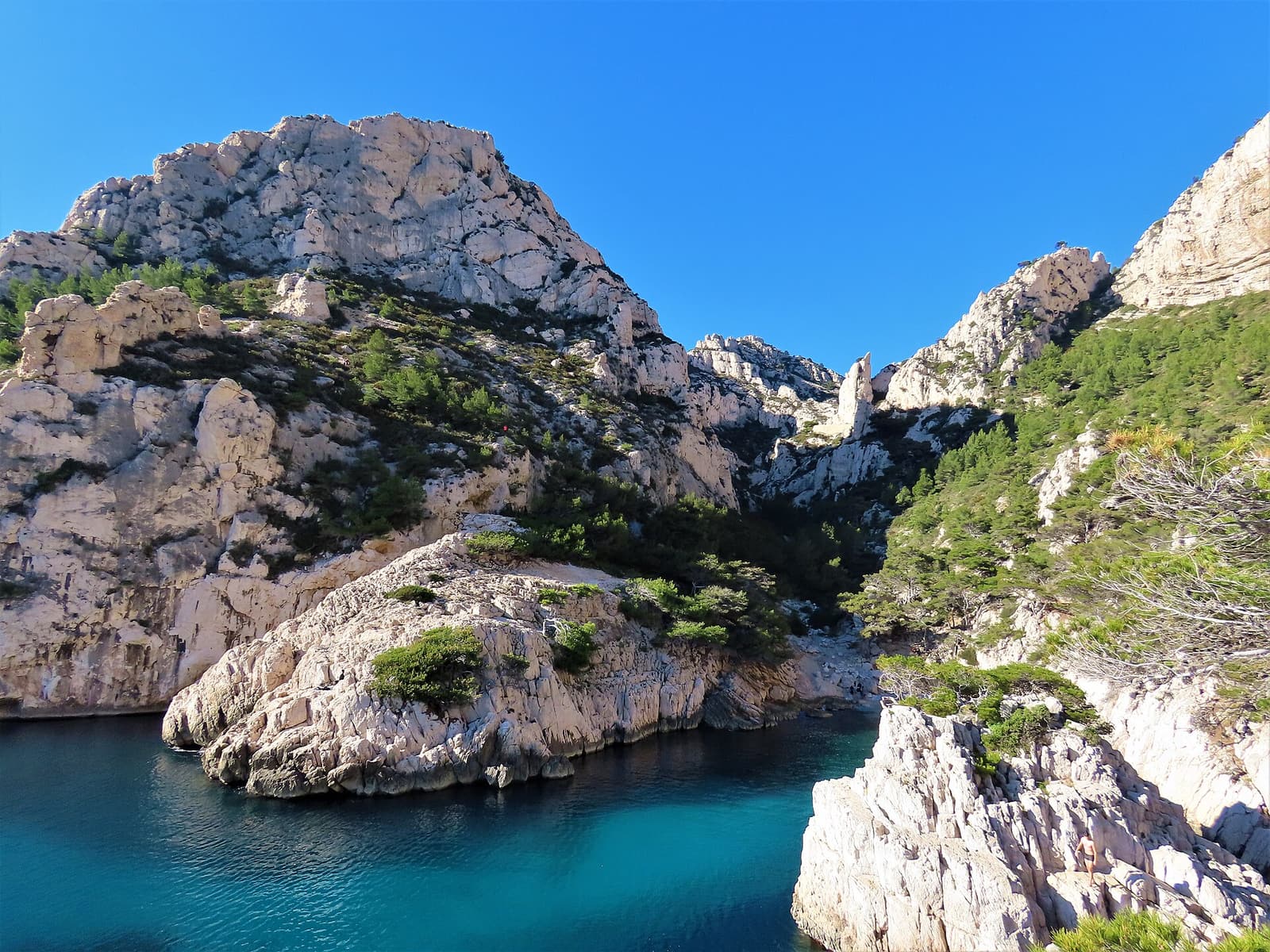
Marseille's best-selling Calanques trip, with well over 1,700 reviews. A fast boat heads east along the Calanques National Park towards Cassis, stopping to swim and snorkel and visiting places such as Riou island and a sea cave. For many visitors this is the highlight of a Marseille stay.
- Sormiou, Morgiou, Sugiton and more from the sea
- Riou island and a sea cave
- Snorkelling gear, wetsuits, soft drinks and GoPro
 Evening boat cruise from €75
Marseille: Sunset Boat Cruise with Buffet and Wine
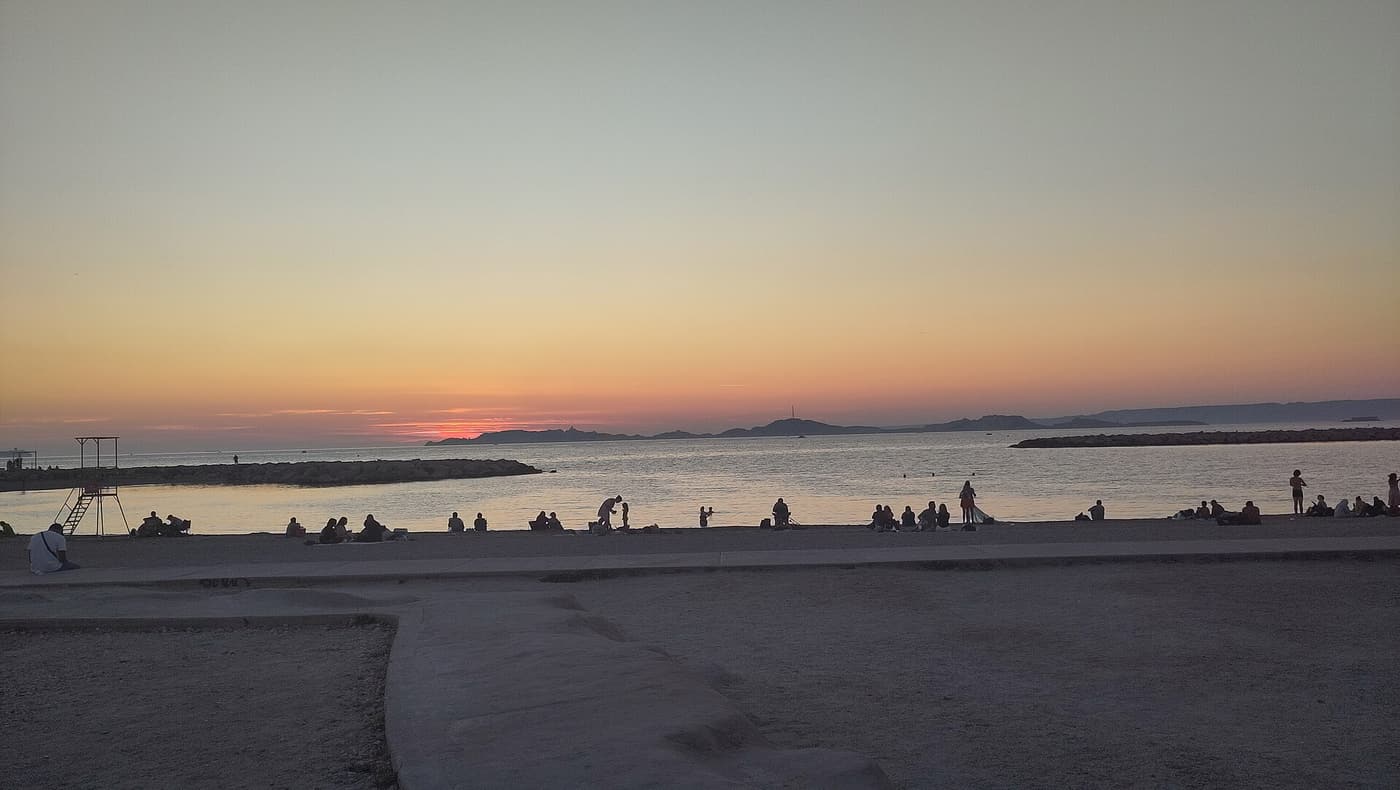
A sundown boat cruise with a Mediterranean buffet dinner on board and, before the sun sets, a swim by the calanques of the Frioul islands. Nearly 600 reviews with a 4.7 average.
- Swim stop by the Frioul calanques
- Mediterranean buffet on board
- Sunset over the bay
 Hop-on hop-off bus from €25
Marseille: City Sightseeing Hop-On Hop-Off Bus Tour
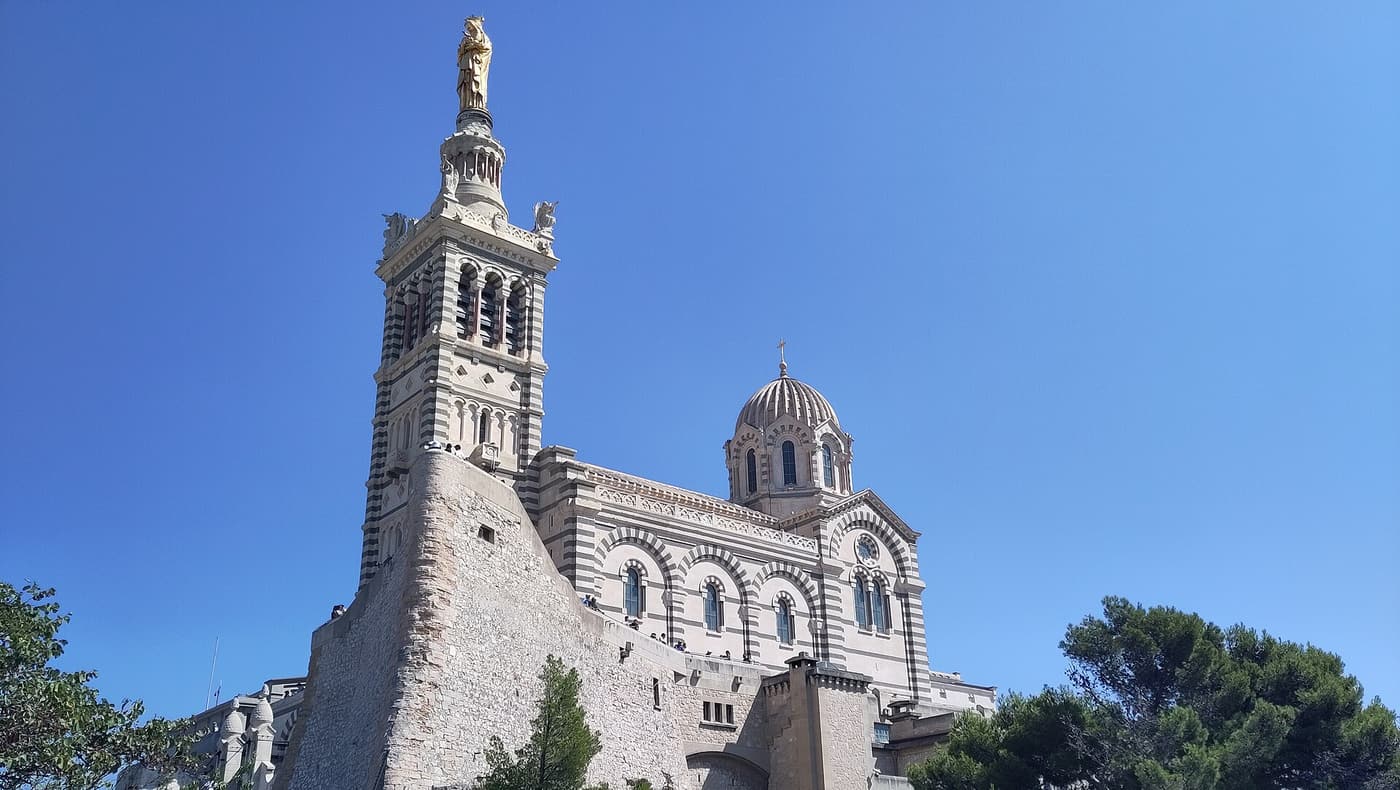
The easiest way up to Notre-Dame de la Garde without the climb: an open-top bus loop with audio commentary taking in the basilica, the Corniche and the city’s landmarks. The most-reviewed product in Marseille.
- Goes up to Notre-Dame de la Garde
- Onboard audio commentary
- Wheelchair accessible
 Museum ticket from €11
Marseille: MuCEM Skip-the-Line Entry Ticket
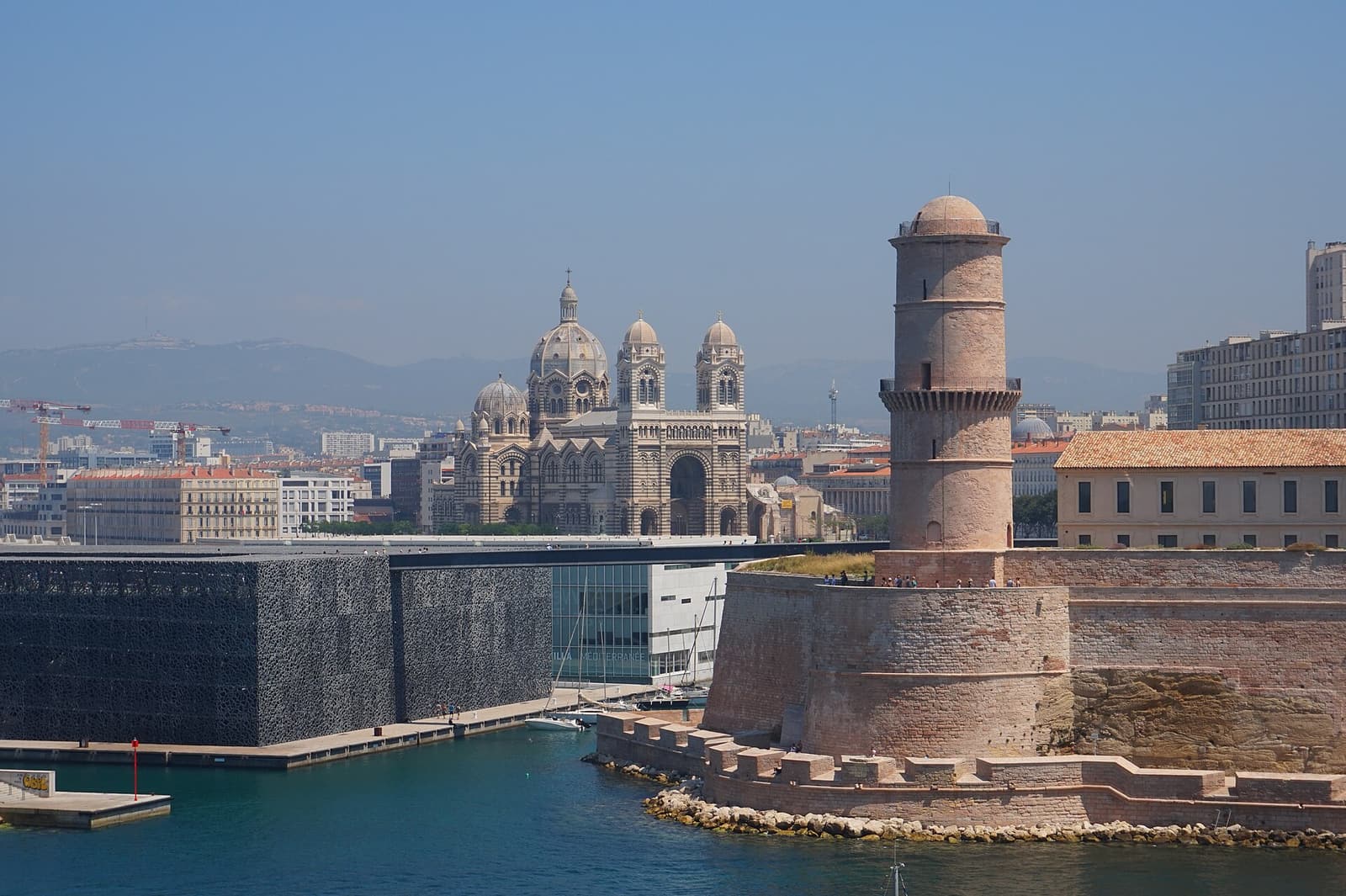
Entry to the MuCEM, Marseille's landmark museum of Mediterranean civilisations, with its footbridge to Fort Saint-Jean. Handy on a day when the Mistral stops the boats.
- Skip the ticket queue
- Museum of European and Mediterranean Civilisations
- Optional audio guide
The Mistral, season by season
The Mistral can blow in any month, but it is most frequent from late autumn to spring. In summer it tends to blow less often and less hard, though even in July a day or two of strong wind can stop the crossings to If. Because it usually sets in for several days, the best defence is flexibility: plan the island at the start of your stay and keep a spare day.
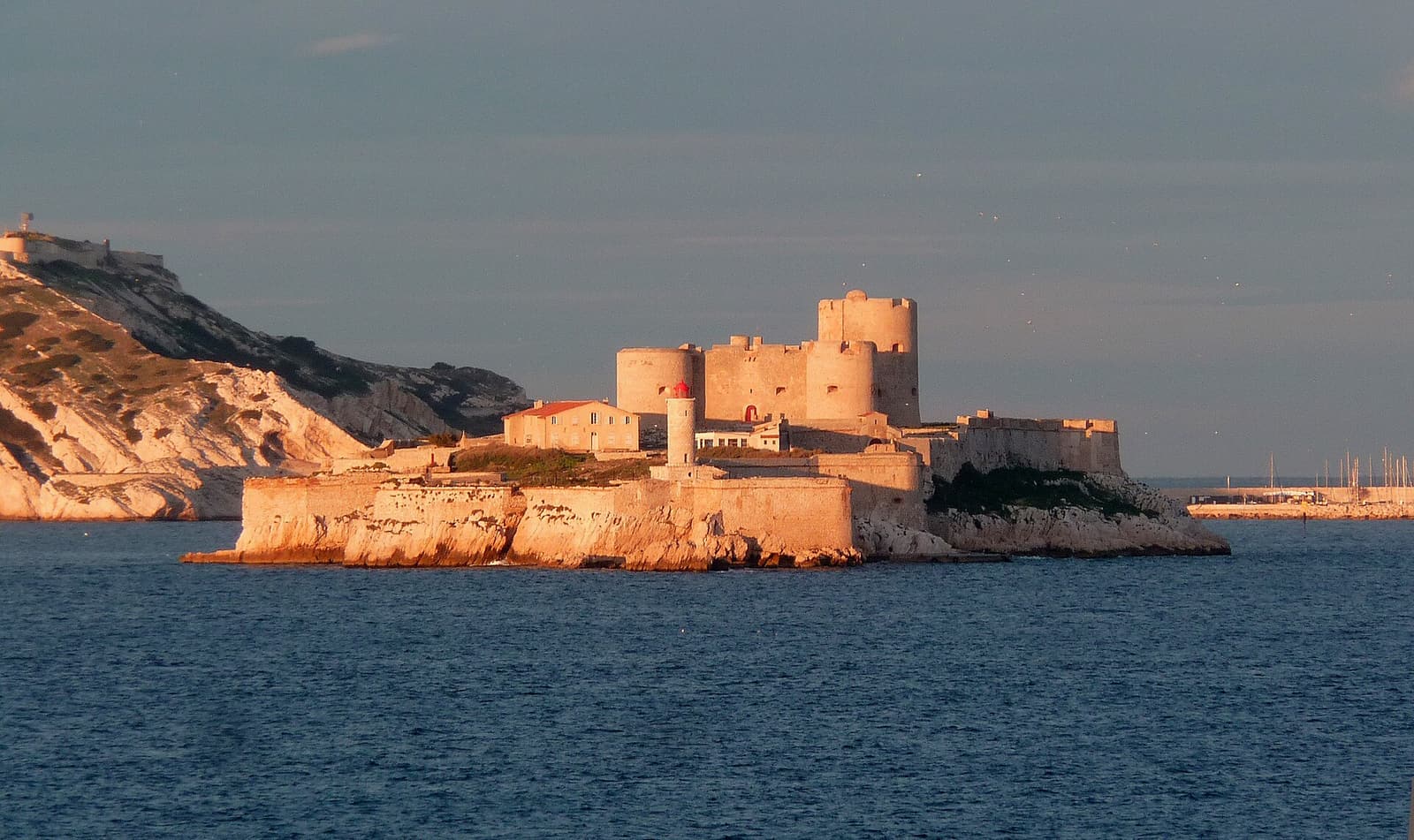
Summer: how to beat the crowds
- Take the first boat of the day, and visit If before Frioul.
- Avoid weekends and French public holidays if you can — Marseillais head for Frioul too.
- Book cruises and Calanques trips ahead; they sell out on the best days.
- Note that access to the Calanques massifs on foot may be restricted on high fire-risk days from June to September.
Events worth knowing
Marseille hosts a busy calendar of festivals, concerts and sporting events, particularly in summer, and big football matches at the Vélodrome fill hotels. If you are travelling around a major event, book accommodation early. See where to stay.
Sea temperature
The sea around Marseille is coolest in late winter and warmest from late July to early September. Swimming off Frioul is comfortable for most people from around June to early October. Cold upwellings after a strong Mistral can make the water suddenly much cooler, even in summer.