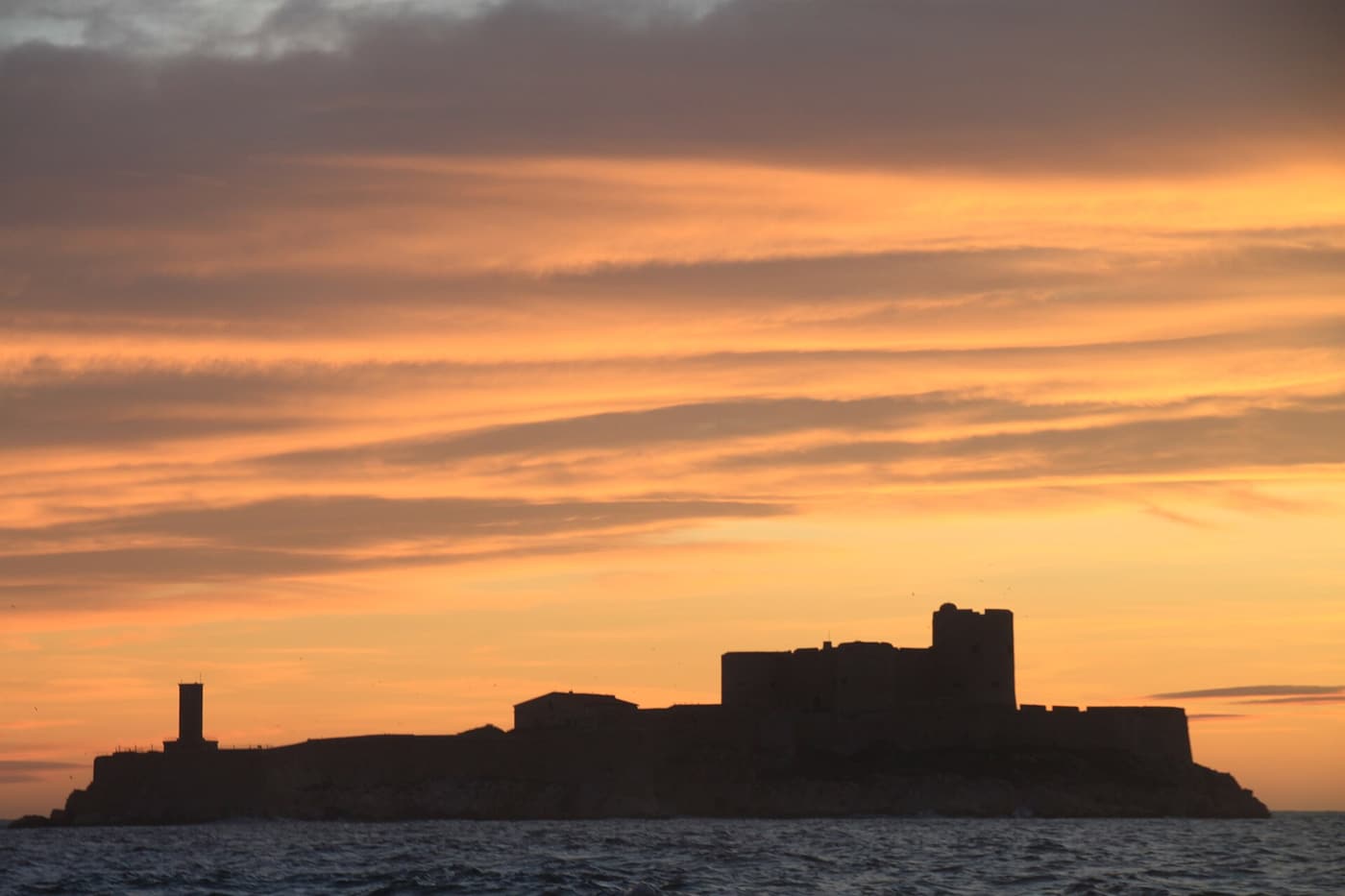
Few places owe as much to a novel as the Château d'If. Before 1844 it was a grim state prison on a rock in the bay. After Alexandre Dumas published The Count of Monte Cristo, it became one of the most visited sites in Marseille — and visitors still ask to see the cell of a man who never existed.
The story in brief (spoilers for the early chapters)
In 1815, Edmond Dantès, a young sailor from Marseille, returns home about to be made captain and to marry his fiancée, Mercédès. Three men who envy or fear him — a rival in love, a jealous shipmate and an ambitious deputy prosecutor — denounce him as a Bonapartist agent. Without trial, he is taken by boat out into the bay and thrown into the Château d'If.
Years pass in solitary confinement. One day Dantès hears scratching in the wall: the Abbé Faria, an elderly Italian priest in the next cell, has been digging a tunnel for years and has miscalculated his direction. The two become friends; Faria educates Dantès in languages, science and history, works out who betrayed him, and confides the secret of a treasure hidden on the island of Monte Cristo. When Faria dies, Dantès takes the dead man's place in the sack in which the body is to be disposed of — and is thrown into the sea. He cuts himself free, swims away, finds the treasure and returns, years later, as the mysterious and immensely rich Count of Monte Cristo to take his revenge.
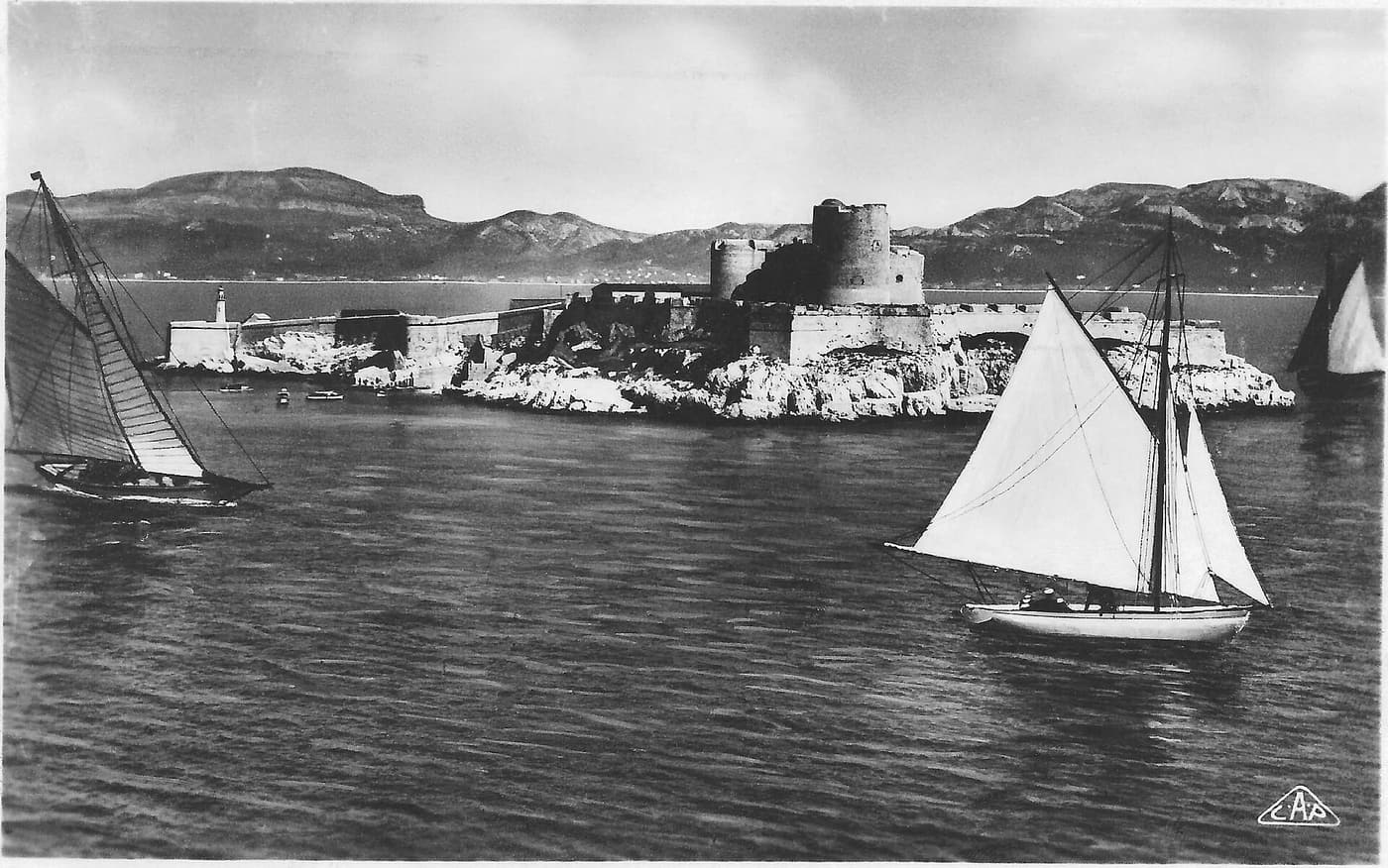
Dumas and the novel
Alexandre Dumas (1802–1870), already famous for The Three Musketeers, published The Count of Monte Cristo as a serial between 1844 and 1846, working with his collaborator Auguste Maquet. It was an immediate sensation and has never been out of print; it has been adapted for film and television dozens of times. Dumas is thought to have been inspired partly by a real case of a man wrongly imprisoned who took revenge on his accusers, recorded in the archives of the Paris police.
He chose the Château d'If because it was perfect: a real state prison, visible from Marseille's harbour yet utterly isolated, from which escape seemed impossible.
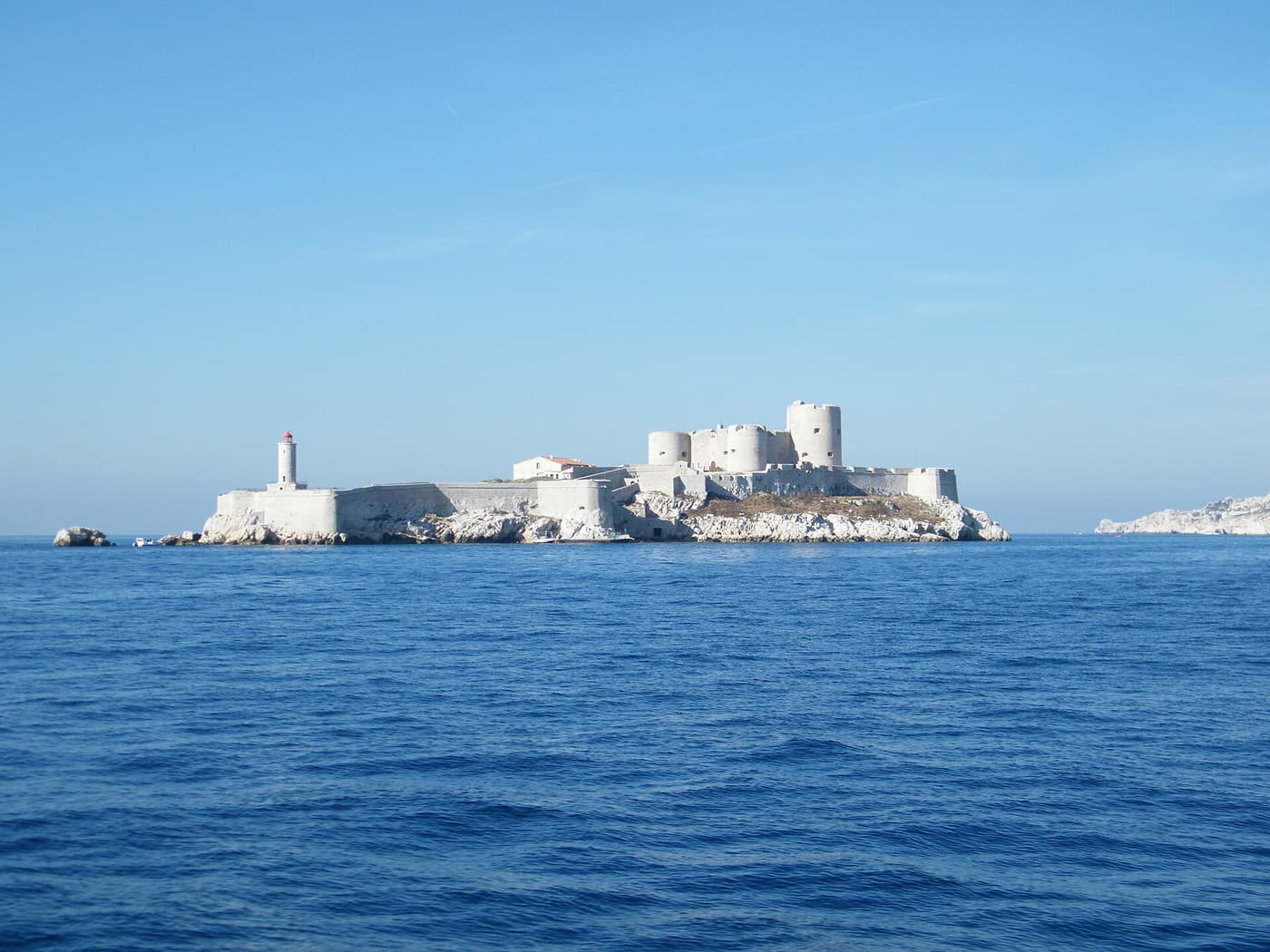 Boat transfer with entry ticket from €58
Marseille: Skip-the-Line Boat Trip to Île d'If with Castle Entry
The straightforward way to actually go inside the Château d'If with everything arranged: you meet the operator's staff in Marseille, cross by boat to the island and visit the fortress — cells, courtyard and ramparts — on your own before returning. As with every crossing to If, departures depend on sea and wind.
- Return boat to the island
- Entry to the Château d'If included
- Explore the fortress at your own pace
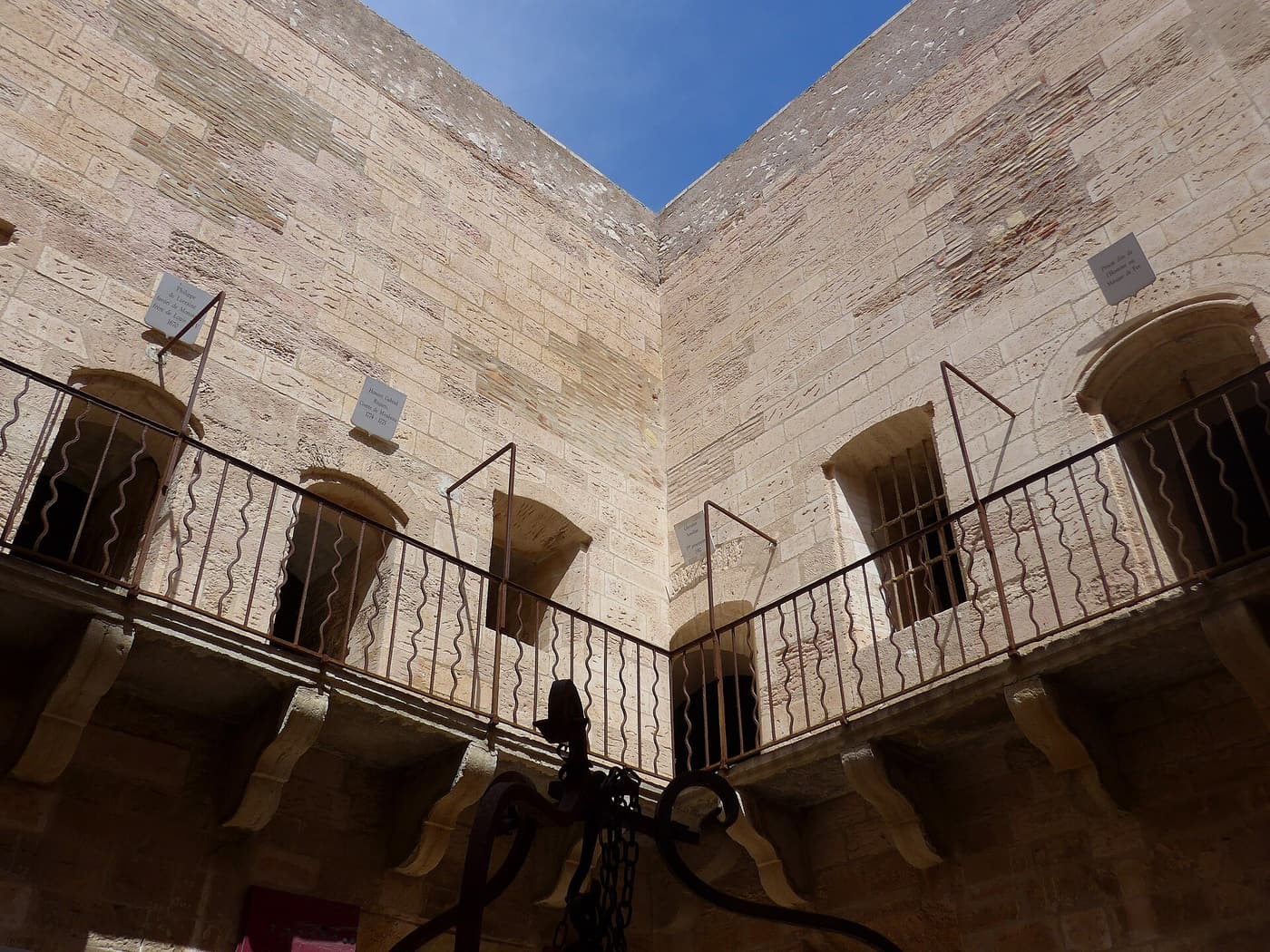 Entry ticket from €13
Château d'If Castle Entry Ticket
Entry to the fortress itself. You climb to the terraces for the view back to Marseille and walk through the cells that the story of Edmond Dantès and the Abbé Faria made famous. The boat to the island is not included — arrange the crossing from the Vieux-Port separately.
- Visit at your own pace
- Ramparts with views over the bay
- Cells linked to The Count of Monte Cristo
 Small-group guided tour from €139
Marseille: The Count of Monte-Cristo Tour — Walking + Boat + Château d'If (max 10 people)
A literary tour for readers of Dumas: a guided walk through the Marseille where The Count of Monte Cristo begins, followed by the boat out to the Château d'If and a visit of the fortress. It is a newer product with only a handful of reviews so far, but it is the one option on the market built entirely around the novel.
- A walk through the Marseille of the novel
- Boat crossing to the Château d'If
- Group of no more than 10
 Small-group boat trip from €59
Marseille: Boat to Le Frioul, Château d'If, and Swim
The most-reviewed boat trip on this page. You leave from near the MuCEM and sail round the Château d'If and along the wild coves of the Frioul islands, with the story of the Count of Monte Cristo on the way, then stop to swim and snorkel. It circles the fortress rather than landing there — book an entry ticket separately if you want to go inside.
- Close-up views of the Château d'If from the water
- Swim stop in a turquoise Frioul cove
- Masks and snorkels provided; group limited to 11
 Small-group evening cruise from €69
Marseille: Sunset Boat Cruise with Rosé Wine & Snacks
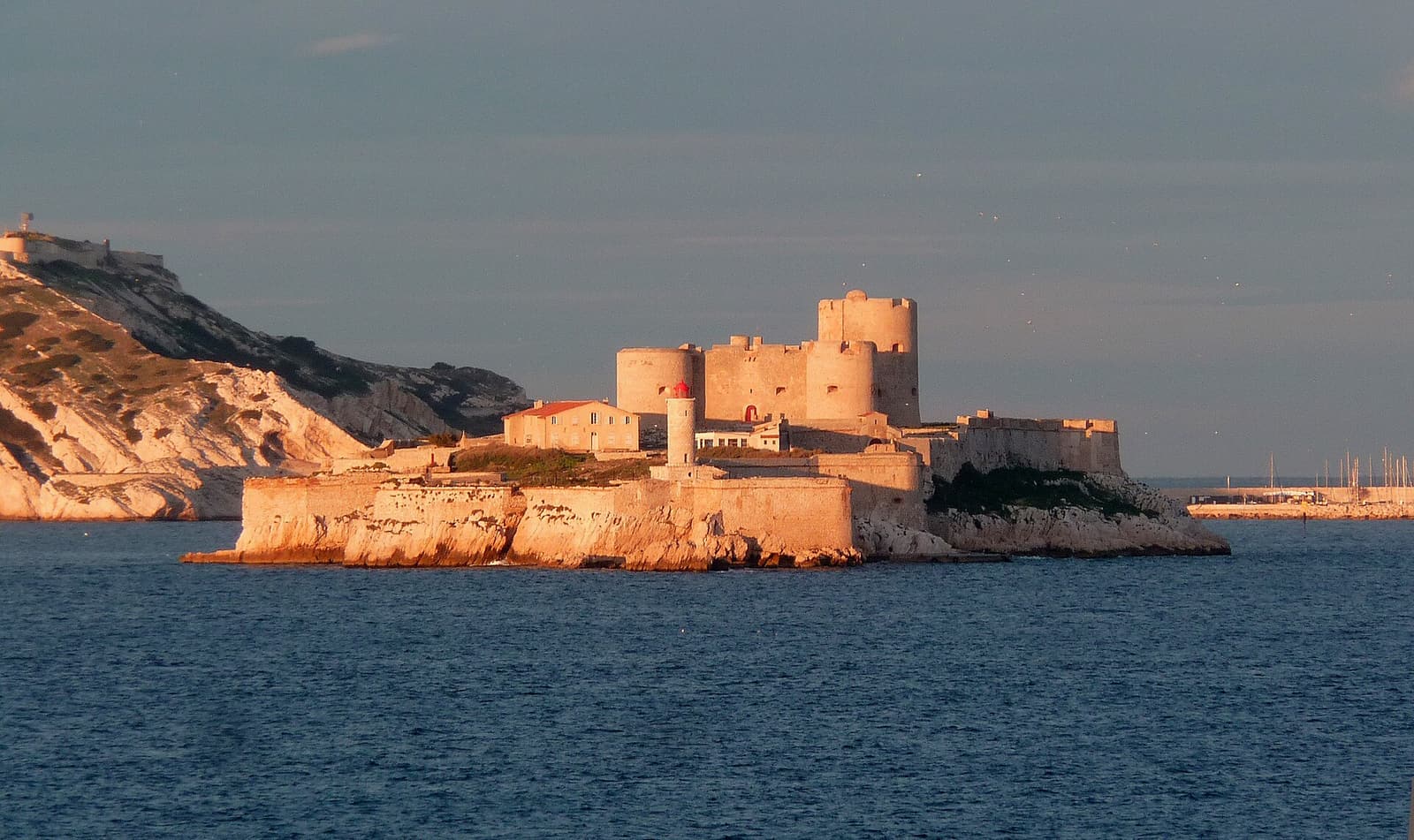
A shorter golden-hour outing in a small group: swim in a cove, sip a glass of rosé with snacks and watch the sun go down behind the Château d'If.
- Sunset over the Château d'If
- Swim in a turquoise cove
- A glass of rosé and snacks
 Sightseeing cruise from €62
Marseille All Year Round: Heritage Tour on a Covered Catamaran
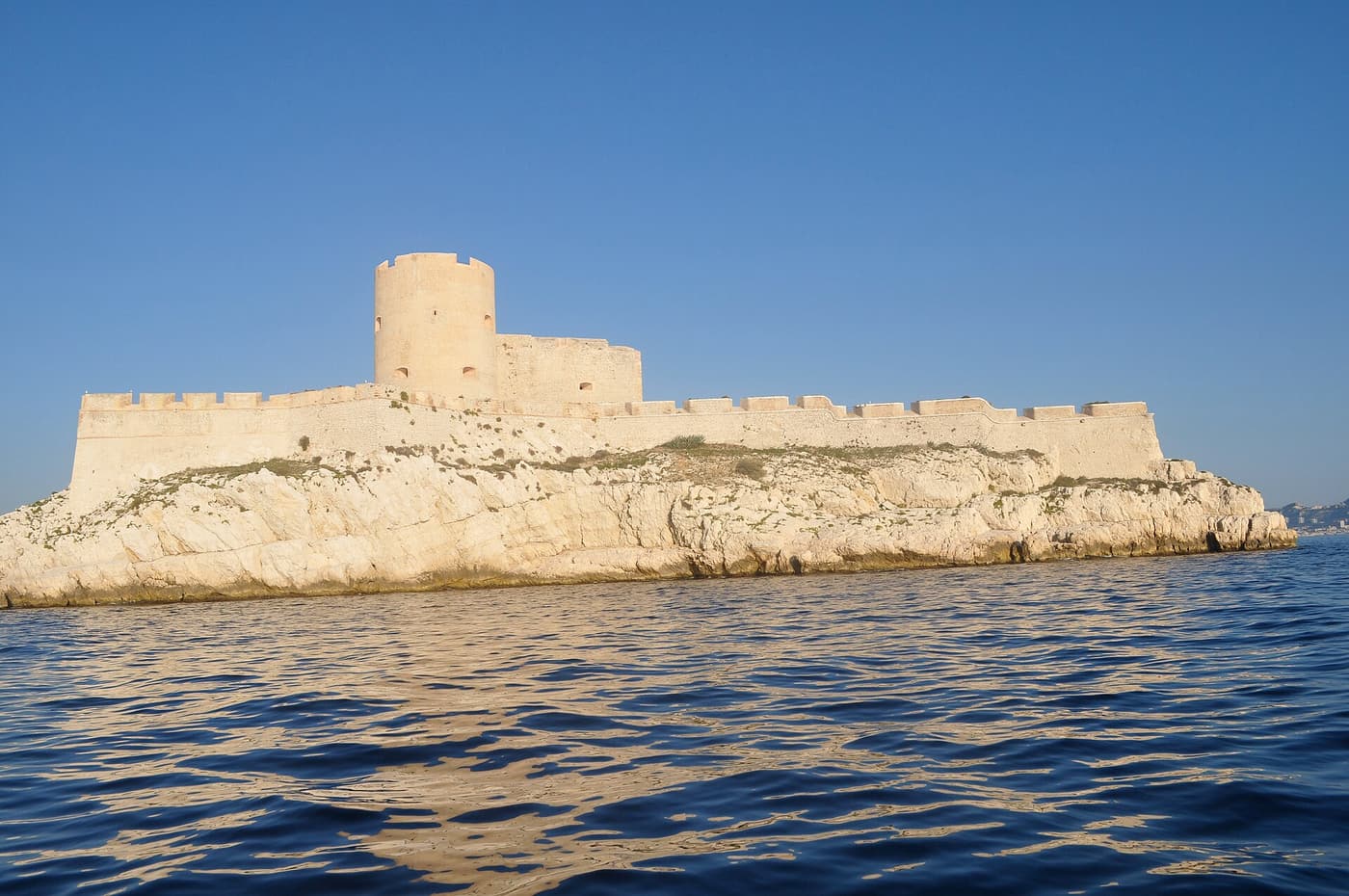
A two-hour cultural cruise between the Old Port, the Frioul islands and the Château d'If on a covered electric catamaran — designed to run all year, so it is one of the few options in the cooler months. New on the market at the time of writing, with no reviews yet.
- Electric catamaran with a covered deck
- Old Port, Frioul and Château d'If from the sea
- Runs in winter as well as summer
What you can see of the novel at the fortress
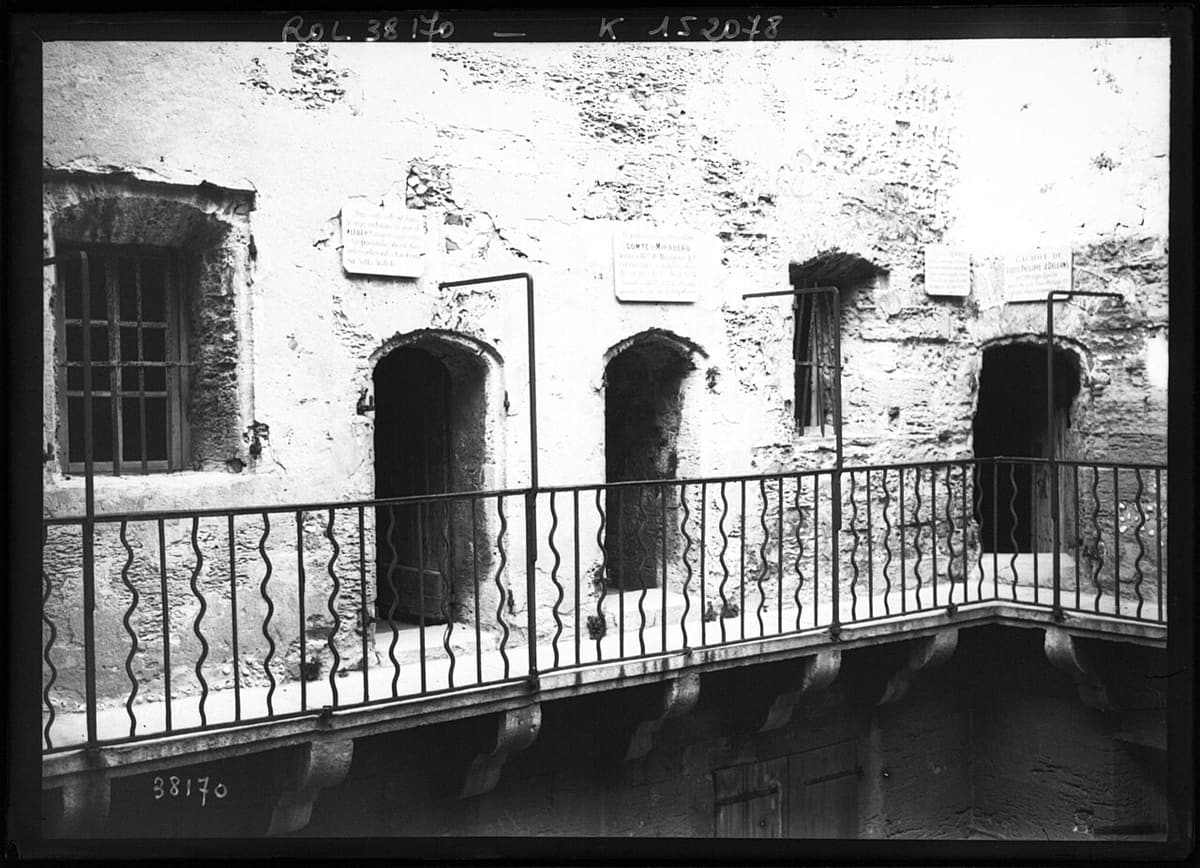
- The cell of Edmond Dantès and the cell of the Abbé Faria on the ground floor, named for the novel's prisoners.
- The tunnel: a rough opening in the wall between the cells, representing Faria's passage. It was created for visitors, but it is the photograph everyone takes.
- The sea all around: from the terraces you understand why escape was unthinkable — and how far Dantès had to swim.
Dantès' escape — sewn into a sack and thrown into the sea — is pure fiction. That has never mattered to the generations of readers who come to stand in "his" cell.
The real prisoners
The fortress held real people for about three hundred years. Among them:
- Protestants, imprisoned for their faith in the 17th and 18th centuries, many of them on their way to the galleys.
- Honoré-Gabriel Riqueti, comte de Mirabeau, imprisoned in 1774 at the request of his father for debts and scandal — later one of the great orators of the French Revolution.
- Jean-Baptiste Chataud, captain of the Grand Saint-Antoine, the ship blamed for bringing the plague of 1720 to Marseille, held on the island after the epidemic.
- Insurgents of the revolution of 1848 and of the Marseille Commune of 1871.
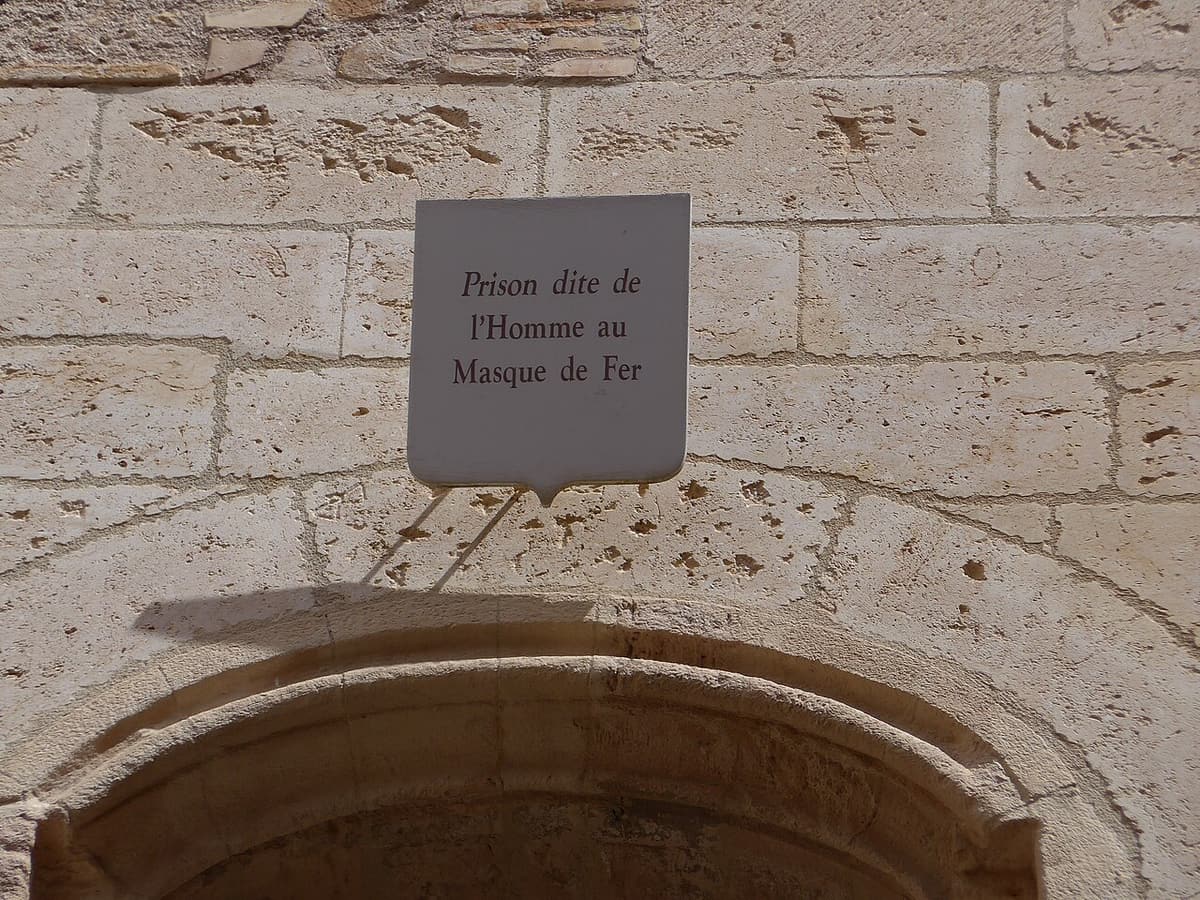
And the Man in the Iron Mask? A cell bears his name, but there is no evidence he was ever at If — the famous masked prisoner was held at Pignerol, on the Île Sainte-Marguerite off Cannes and in the Bastille.
Reading before you go
The novel is very long, but the Château d'If chapters come early — from Dantès' arrest to his escape. Reading them, or watching a good adaptation, before your visit transforms the experience. Several operators offer a Monte Cristo themed tour combining a walk in Marseille with the boat and the fortress.