Skip to content
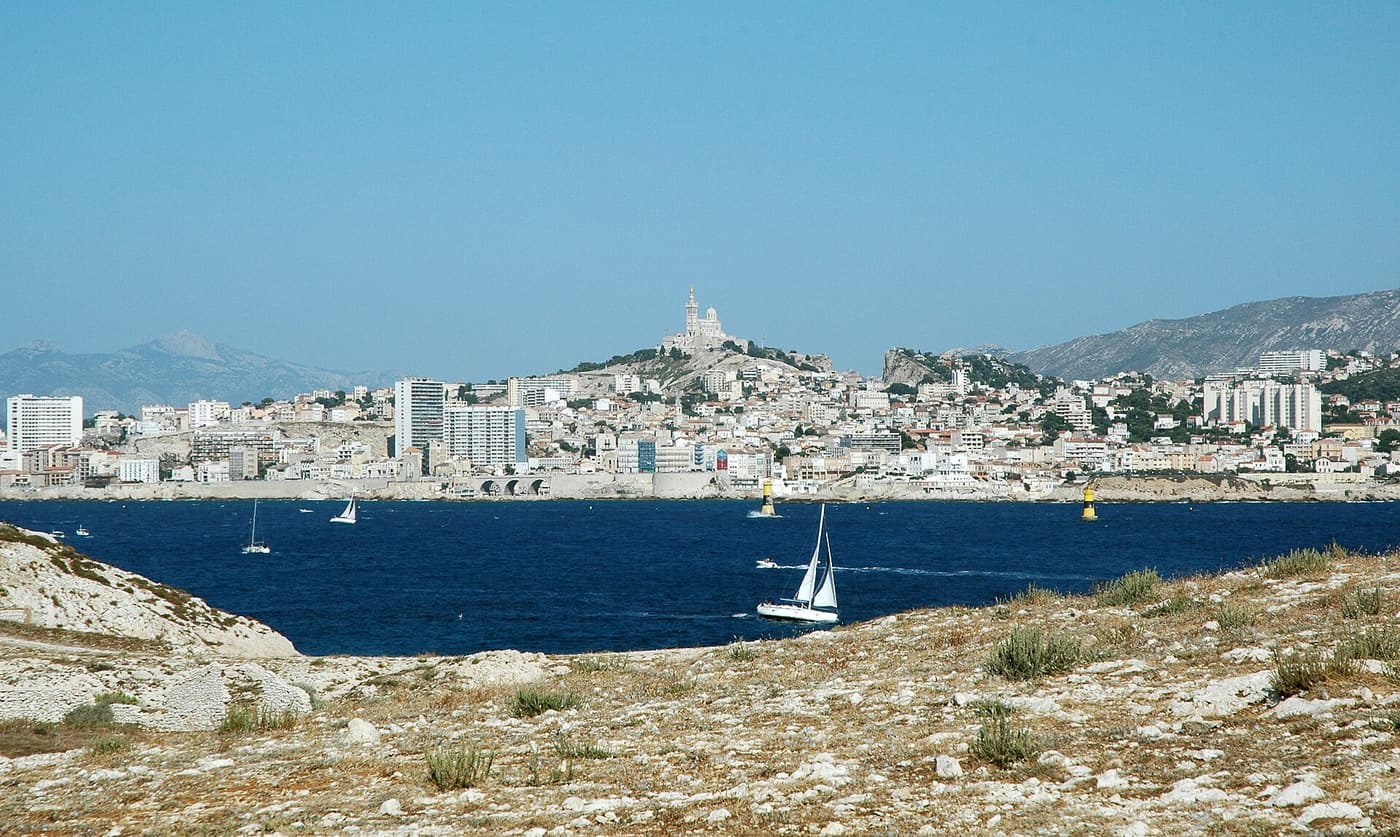
Marseille and Notre-Dame de la Garde seen across the bay from the Frioul island of Ratonneau

Things to See: the Château d'If and Around

The fortress, the islands beside it and the city on the shore.

The sights fall into three groups. Out in the bay are the Château d'If and the Frioul islands — the fortress, the island village of Port du Frioul, the beaches and the old quarantine hospital. On the shore is Marseille itself: the Old Port where the boats leave, the basilica on the hill, the oldest quarter and the waterfront museum. And east of the city lies the coast of the Calanques, as far as Cassis.

Each place has its own guide, with what to see, how to get there, practical tips and the tours that go there.
Château d'If & the Frioul islands

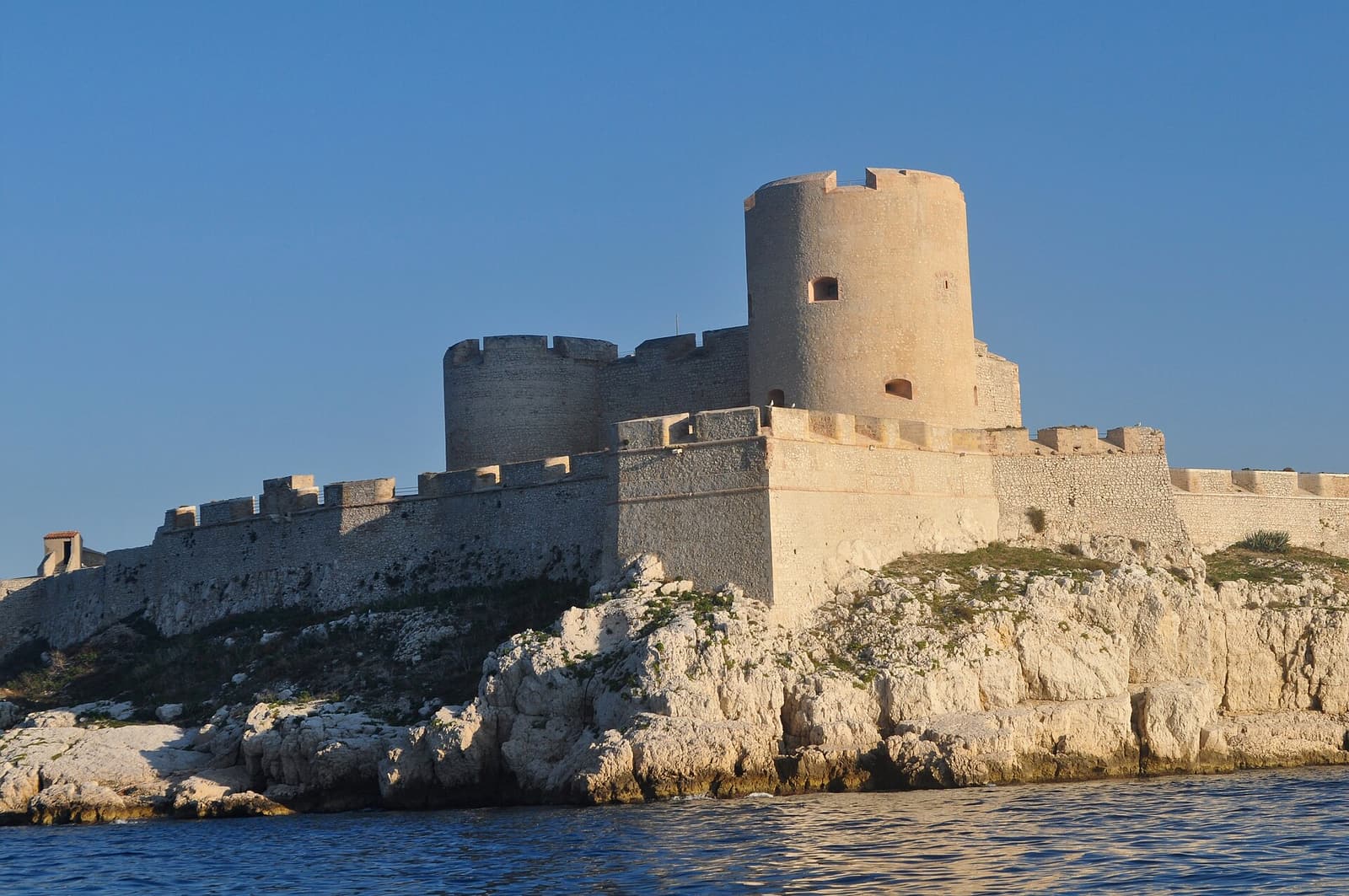
The Château d'If, a square stone fortress with round towers, rising from its white limestone island Château d'If & the Frioul islands

Château d'If

The island fortress of the Count of Monte Cristo

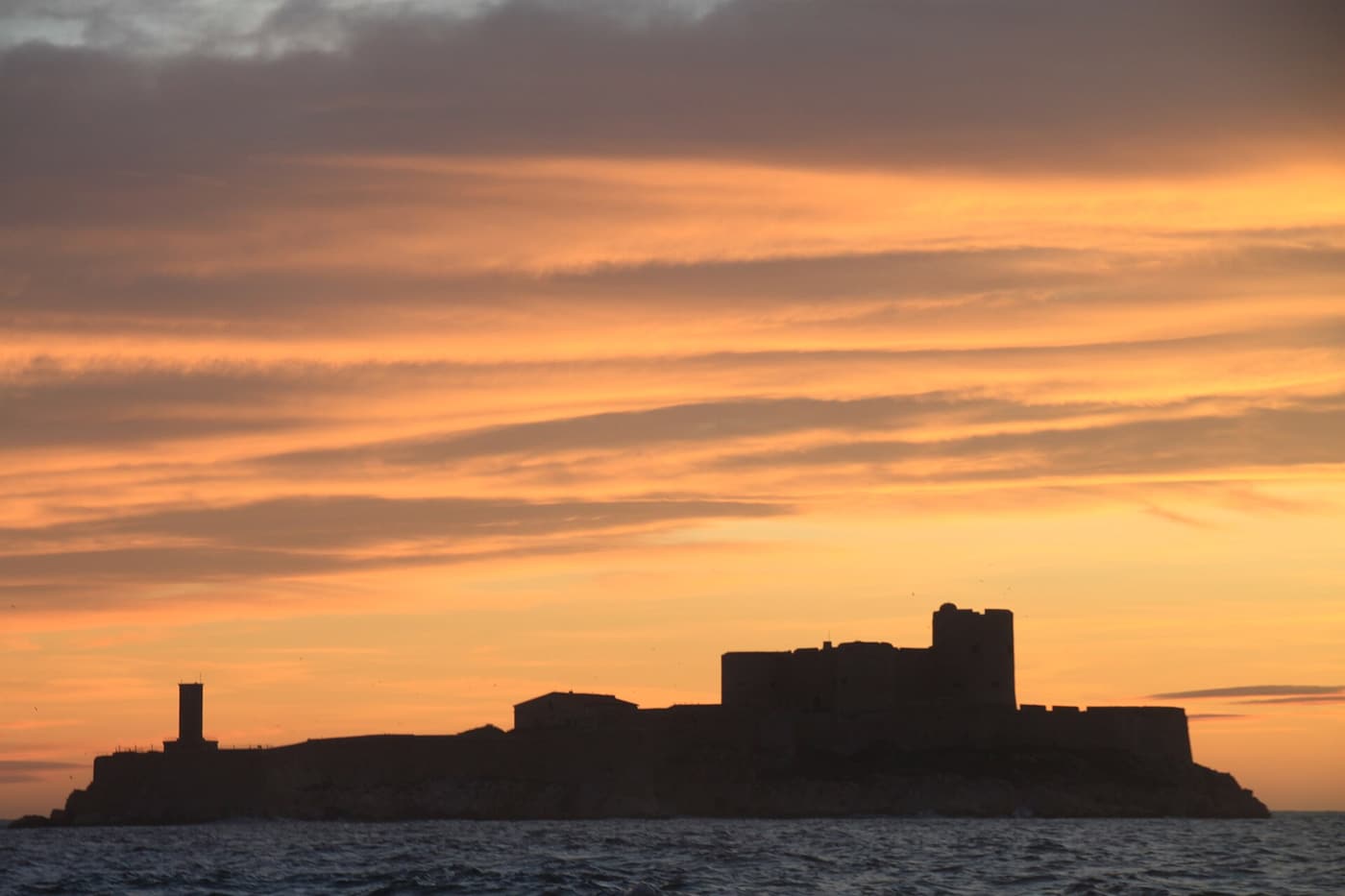
A square fortress with three round towers on a bare white rock in the Bay of Marseille. Built in the 1520s on the orders of King Francis I to guard the approaches to the port, it never had to fight and became instead a state prison — and then, through Alexandre Dumas, the most famous prison in literature. Today it is a national monument run by the Centre des monuments nationaux, reached by boat from the Vieux-Port.

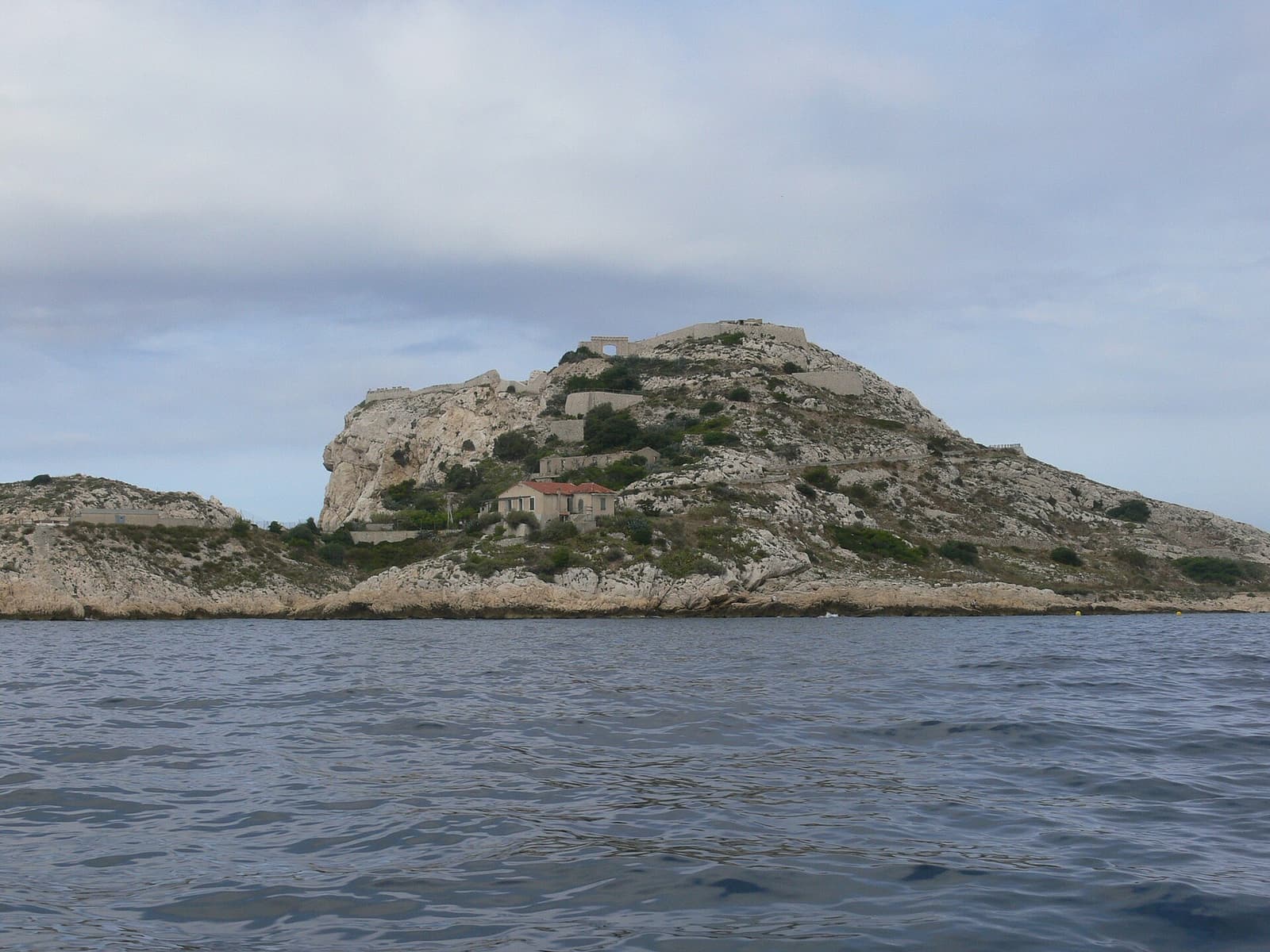
A general view of Île Ratonneau, a bare white limestone island rising from a calm blue sea Château d'If & the Frioul islands

Île Ratonneau

The Frioul island with the village, the beaches and the hospital

The northern of the two large Frioul islands, joined to Pomègues by a long sea wall. The boats land at Port du Frioul, a small marina village with cafés and a few shops; from there paths of white limestone lead to the coves and beaches, the old quarantine hospital, the Hôpital Caroline, and the forts on the heights. Bare, sunny and wonderfully quiet a few minutes from a city of 870,000 people.

The rocky, scrub-covered coast of Île Pomègues in the Frioul archipelago Château d'If & the Frioul islands

Île Pomègues

The wilder, emptier half of Frioul

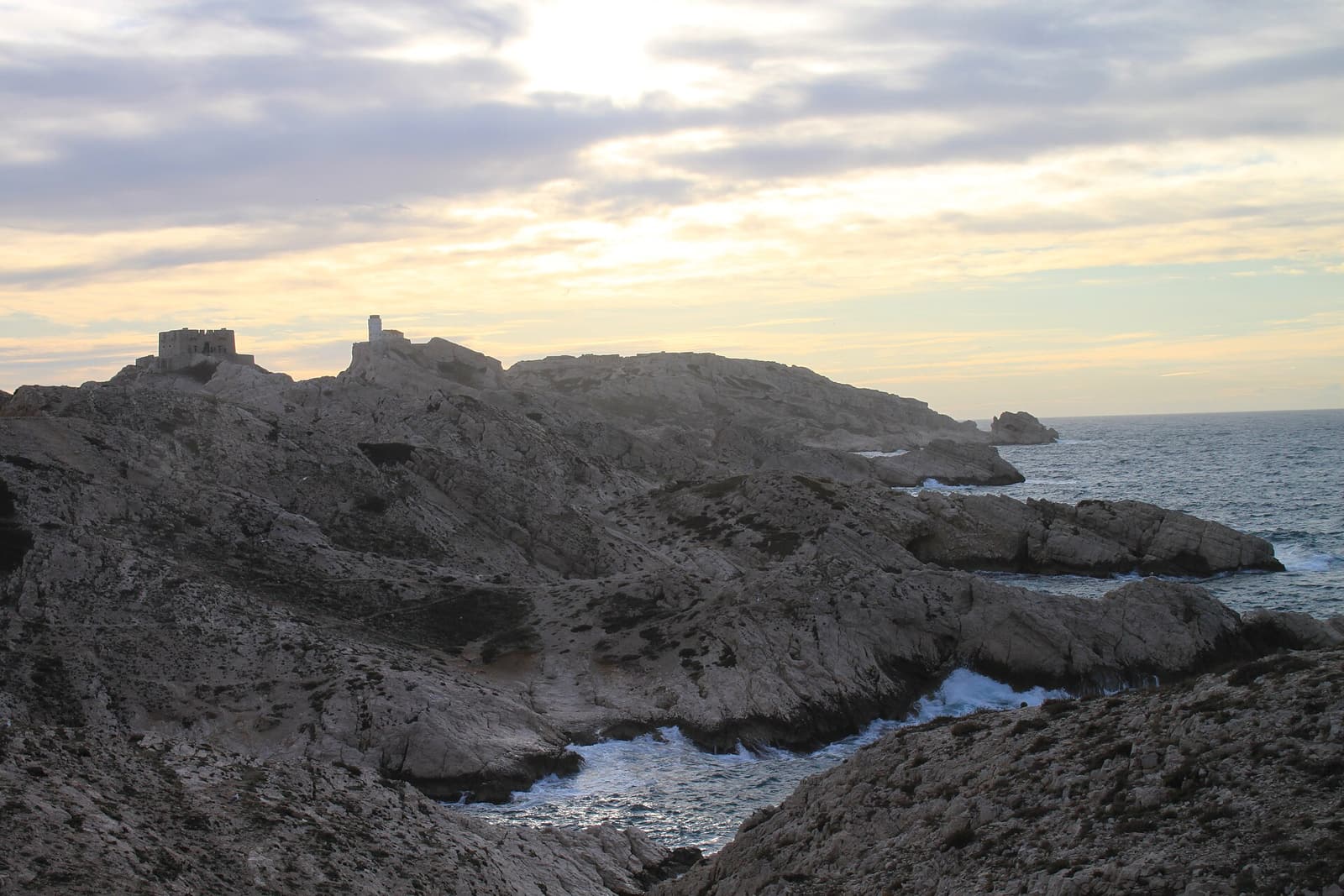
Long, narrow and rocky, Pomègues is the southern of the two main Frioul islands, linked to Ratonneau by the Digue de Berry. It was for centuries a quarantine anchorage for ships arriving at Marseille and later a military island; today a path runs along much of it past old batteries and small calanques, with fewer people than on Ratonneau. Parts of the island are part of the Calanques National Park and access to some areas is restricted.

The stone façade and staircase of the Hôpital Caroline on Île Ratonneau under a white sky Château d'If & the Frioul islands

Hôpital Caroline

A neoclassical quarantine hospital on a windswept ridge

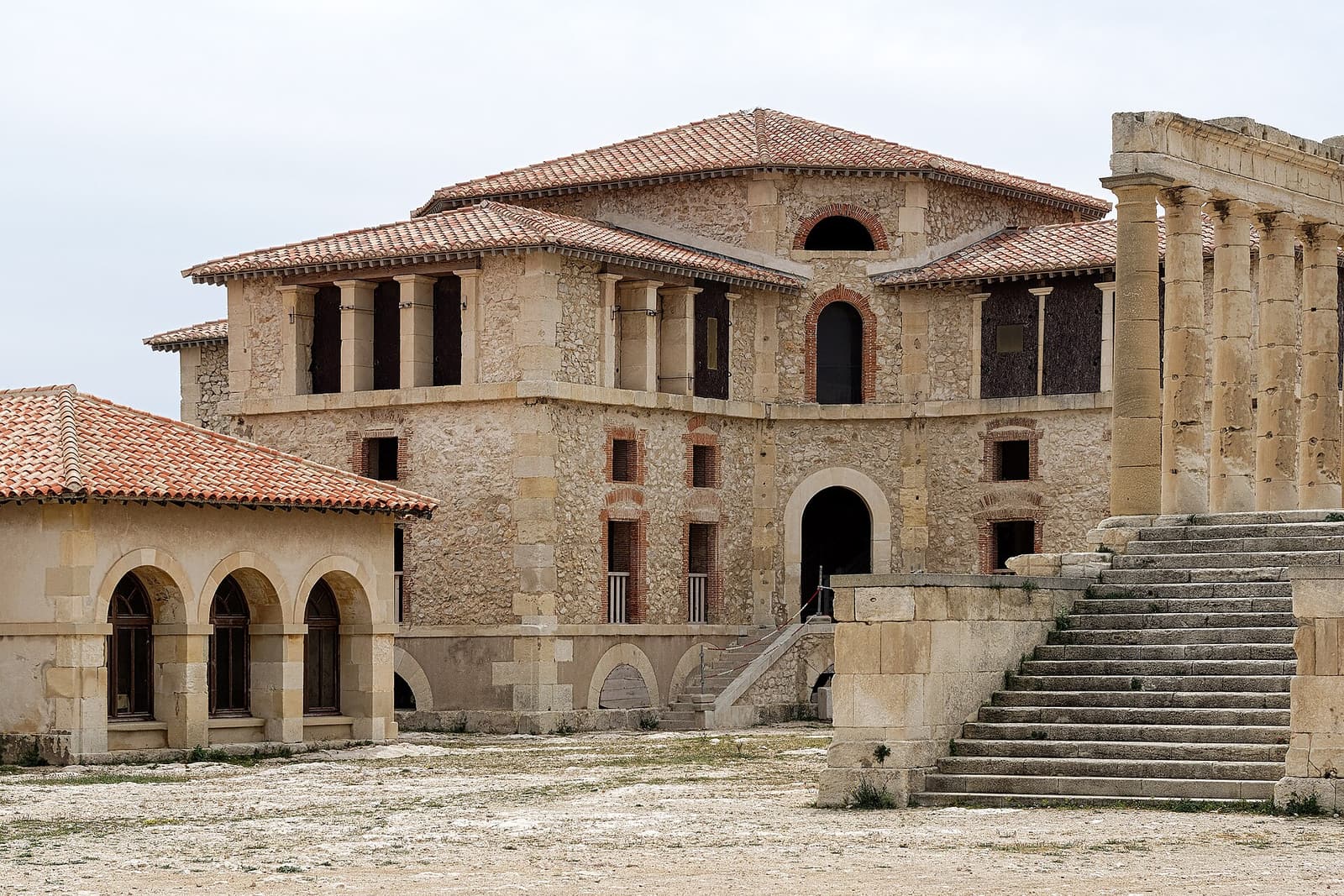
On a ridge of Ratonneau, overlooking the sea and Marseille, stands a striking stone building of columns and courtyards: the Hôpital Caroline, built in the 1820s as a quarantine hospital for sailors and passengers suspected of carrying yellow fever and other epidemics. Long abandoned, it has been partly restored and is now one of the most photographed places on the islands — with one of the best views of the Château d’If.

A turquoise bay with a small beach below bare white hills on Ratonneau in the Frioul islands Château d'If & the Frioul islands

Frioul Beaches & Coves

Swimming in clear water, half an hour from the Old Port

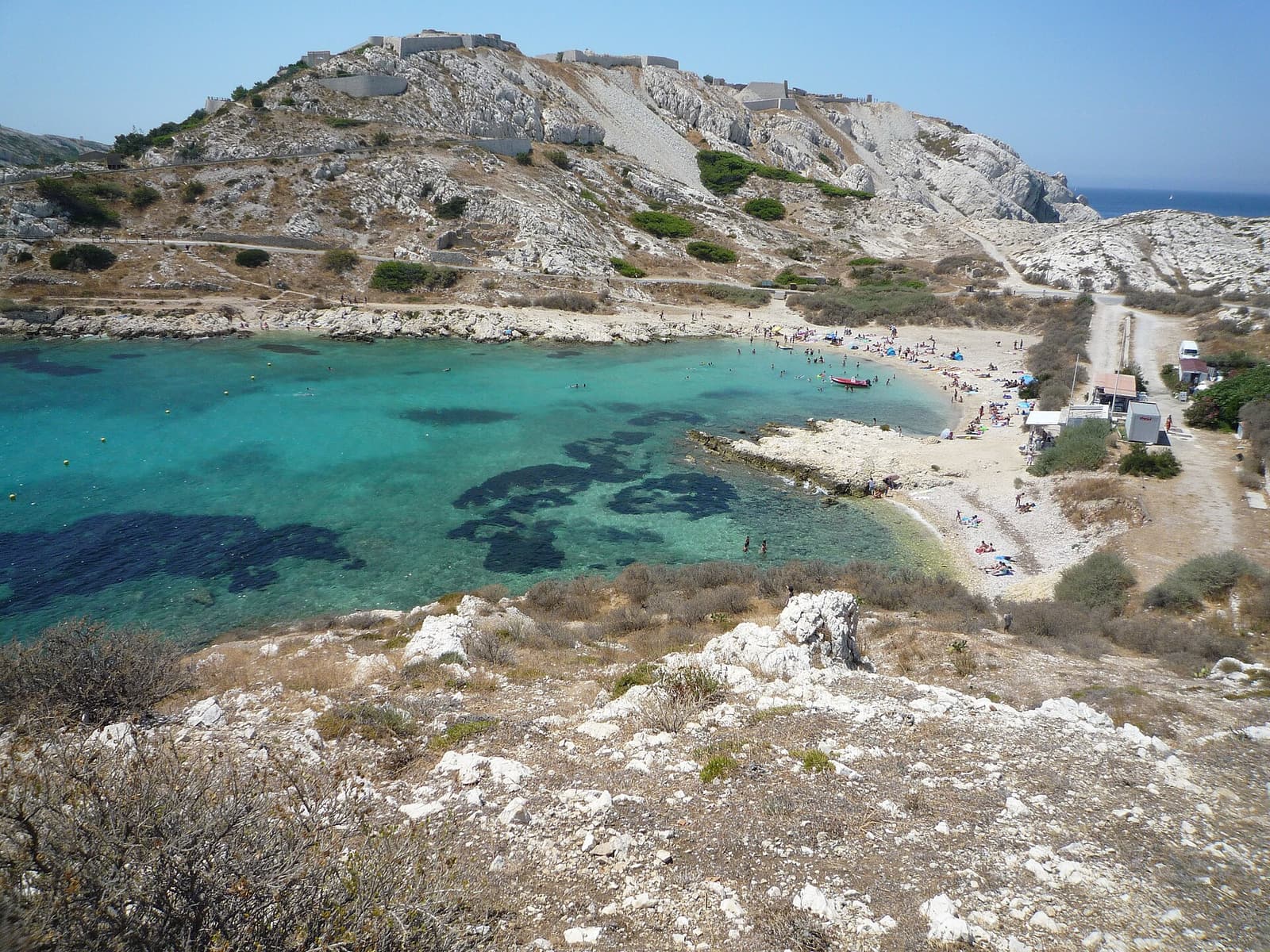
The Frioul islands have some of the clearest water anywhere near Marseille: small pebble and sand beaches and rocky calanques on both Ratonneau and Pomègues, many of them a short walk from the harbour. Saint-Estève on Ratonneau is the easiest family beach; Morgiret and the smaller coves beyond are quieter. There is no shade to speak of, and on a summer weekend the nearest beaches fill up early.

Marseille

Sailing boats and yachts moored in the Vieux-Port of Marseille with the waterfront buildings beyond Marseille

Vieux-Port

Marseille’s Old Port — and where the boats to If leave

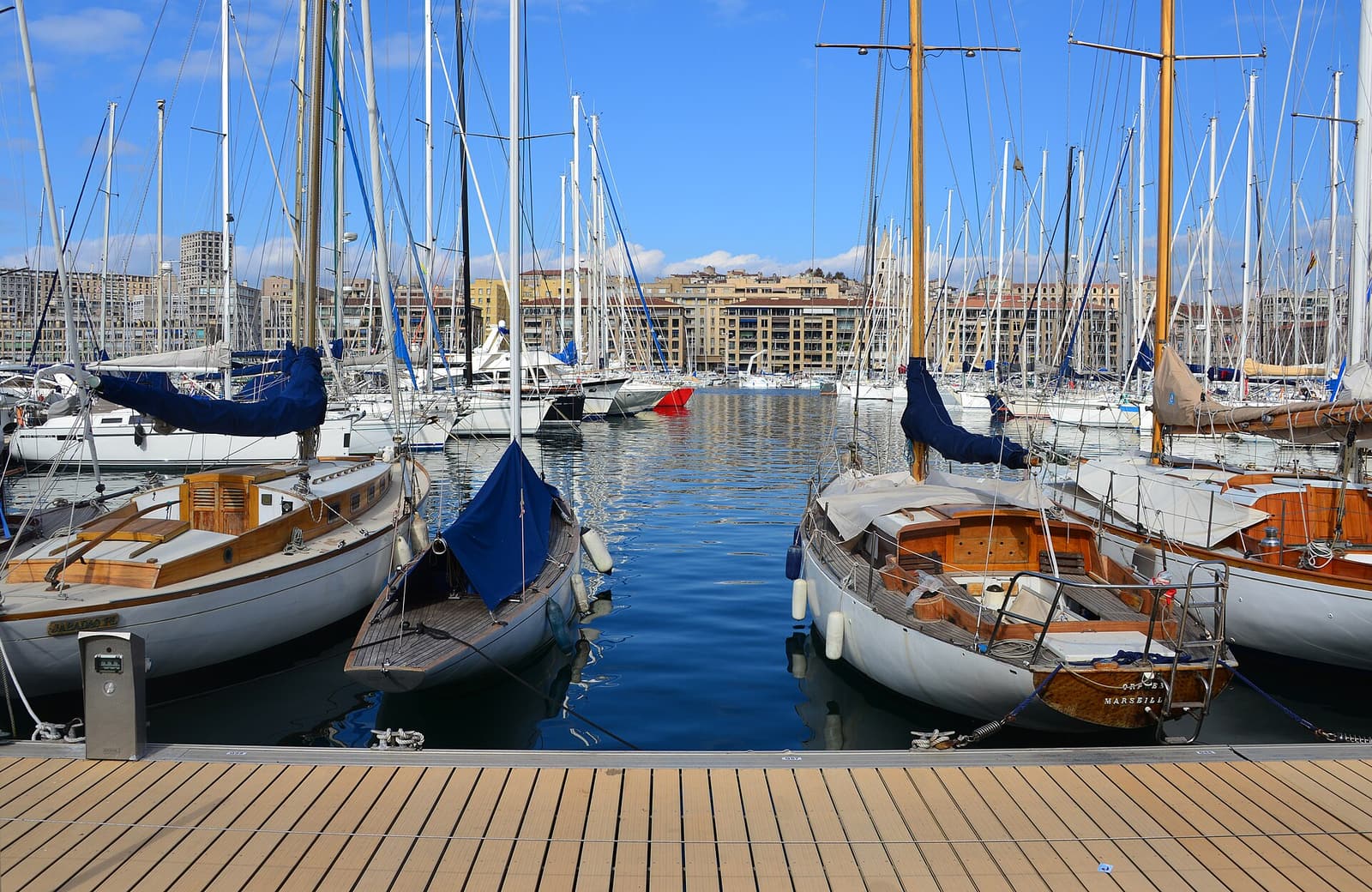
The deep natural harbour where Greek sailors from Phocaea founded Massalia around 600 BC is still the heart of Marseille. Fishing boats sell their catch on the Quai des Belges in the mornings, Norman Foster's mirrored canopy reflects the crowds, and the two forts of Saint-Jean and Saint-Nicolas guard the entrance. The shuttles to the Château d'If and the Frioul islands leave from here.

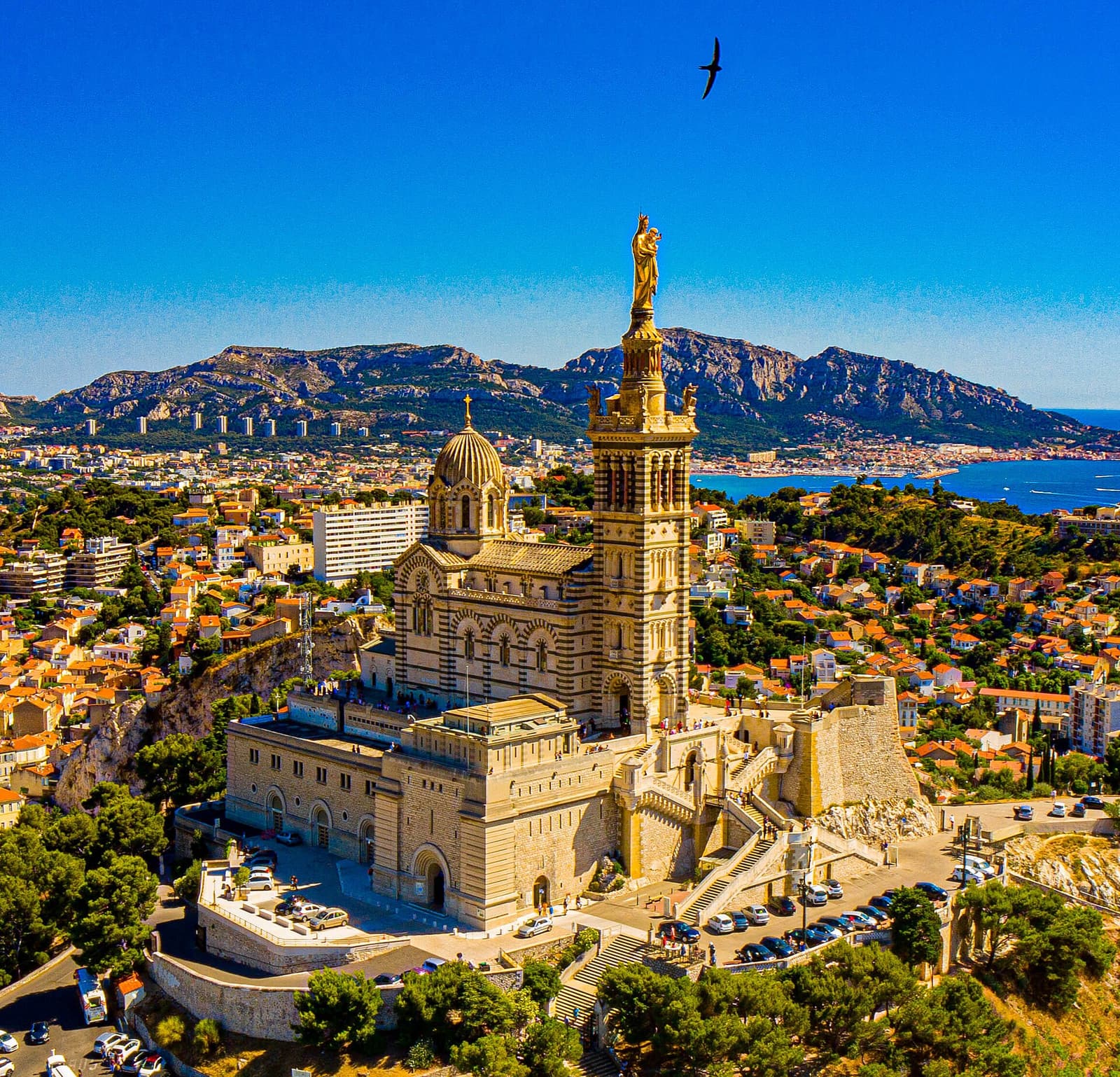
Aerial view of the basilica of Notre-Dame de la Garde on its hill, with Marseille and the mountains beyond Marseille

Notre-Dame de la Garde

“La Bonne Mère”, watching over the city and the sea

Marseille's best-loved landmark: a 19th-century Romano-Byzantine basilica on the highest hill in the city, crowned by a huge gilded statue of the Virgin and Child. Inside, sailors' ex-votos and model ships hang from the ceiling; outside, the terraces give the finest panorama of Marseille, the Vieux-Port, the Frioul islands and the Château d'If.

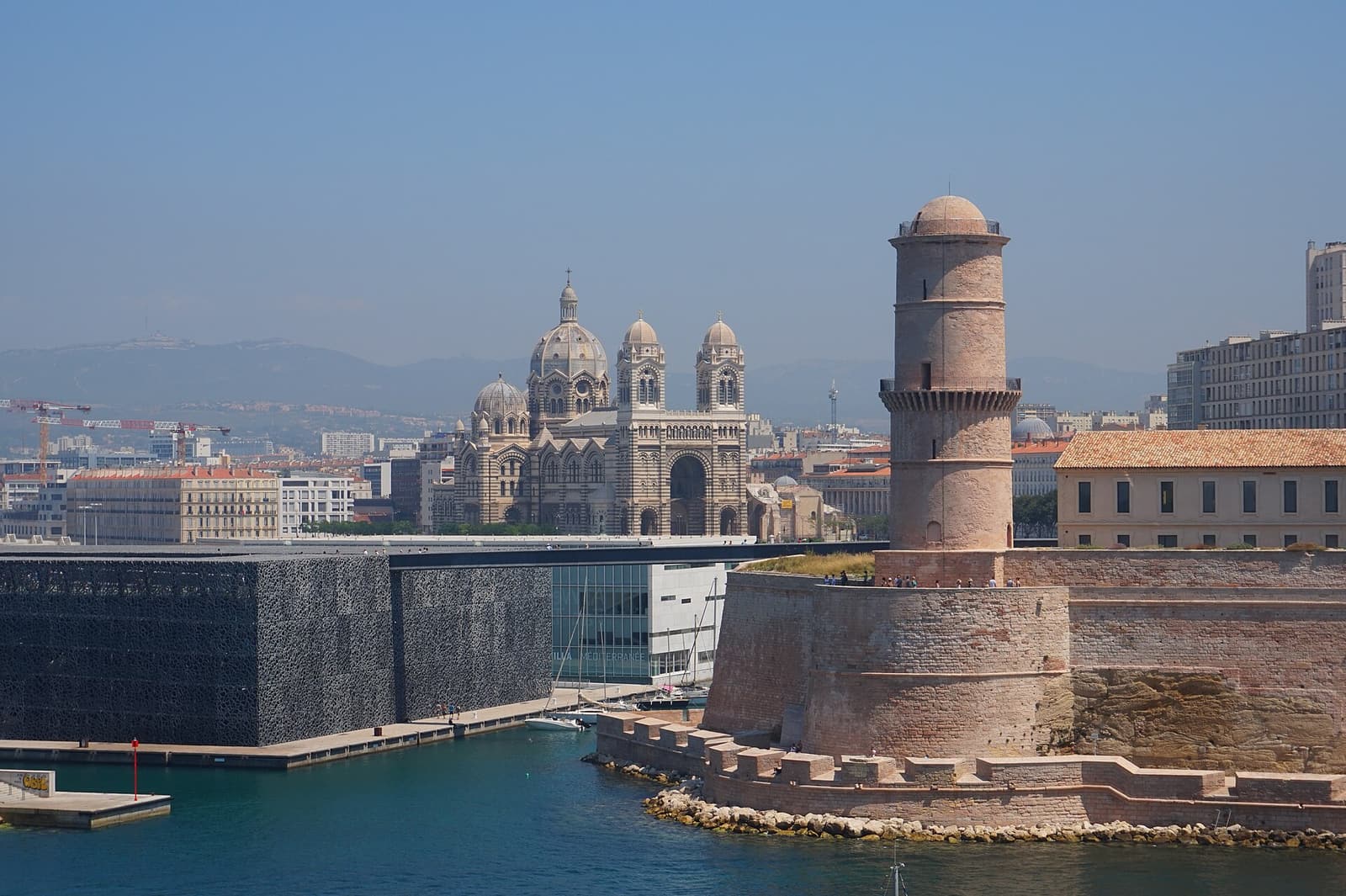
The MuCEM cube and the tower of Fort Saint-Jean at the harbour entrance, with the cathedral of La Major behind Marseille

MuCEM & Fort Saint-Jean

A lattice-clad museum and a medieval fort at the harbour mouth

Opened in 2013, the Museum of European and Mediterranean Civilisations is a glass cube wrapped in a lace of dark concrete on the old J4 pier, linked by a high footbridge to Fort Saint-Jean, which has guarded the north side of the port entrance since the Middle Ages. The fort's gardens and ramparts are a lovely free walk; the rooftop terrace looks straight out to sea towards the islands.

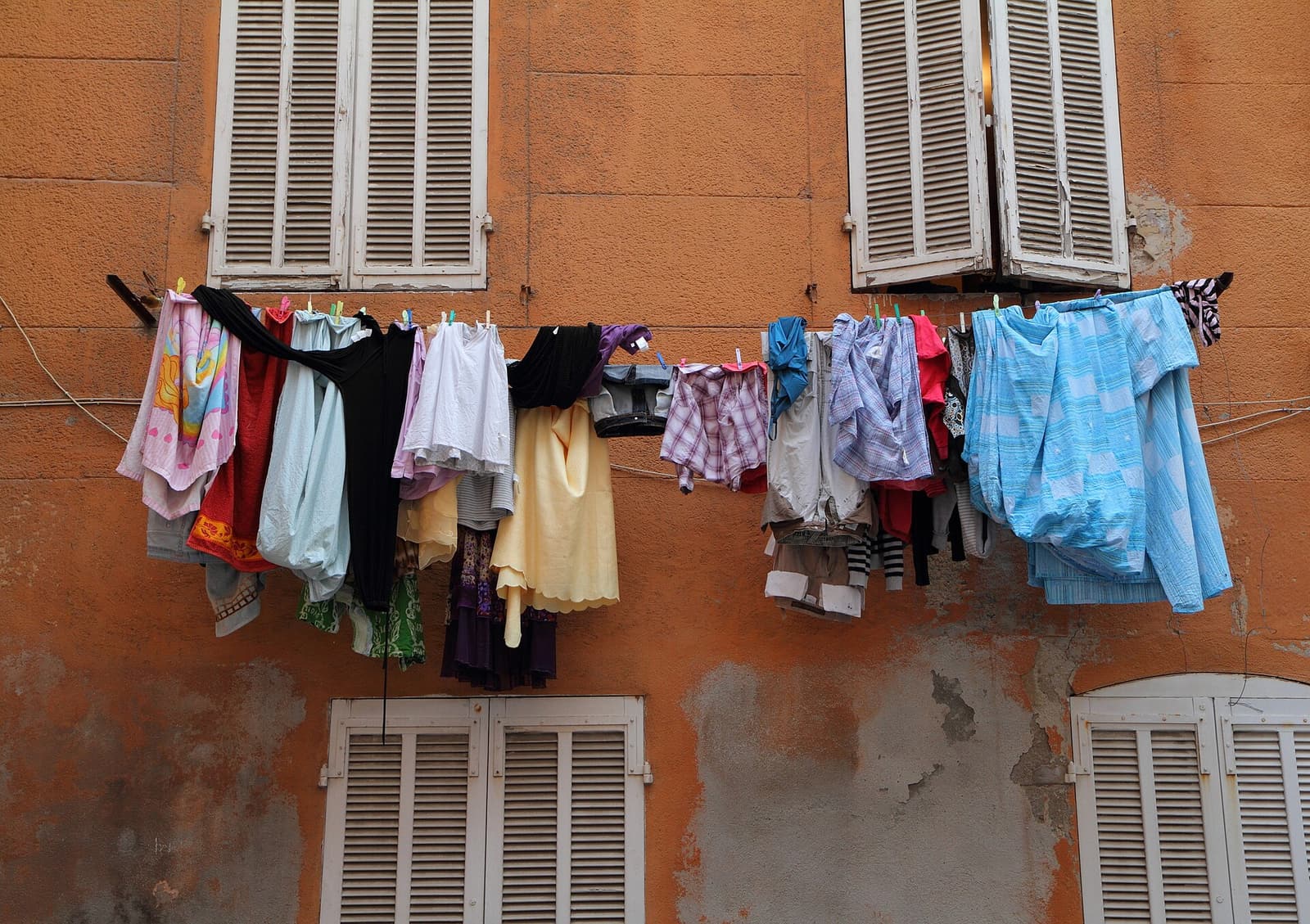
Colourful laundry hanging between shuttered windows of an ochre house in Le Panier, Marseille Marseille

Le Panier

The oldest quarter of Marseille, above the Old Port

The hill on the north side of the Old Port is where Marseille began, and Le Panier still feels like a village: steep stairways, washing strung between shuttered windows, street art, small squares and soap and craft shops. At its heart is the Vieille Charité, a 17th-century almshouse with an elegant chapel, now home to museums; at its edge, the striped Cathédrale de la Major faces the sea.

Coast & Calanques

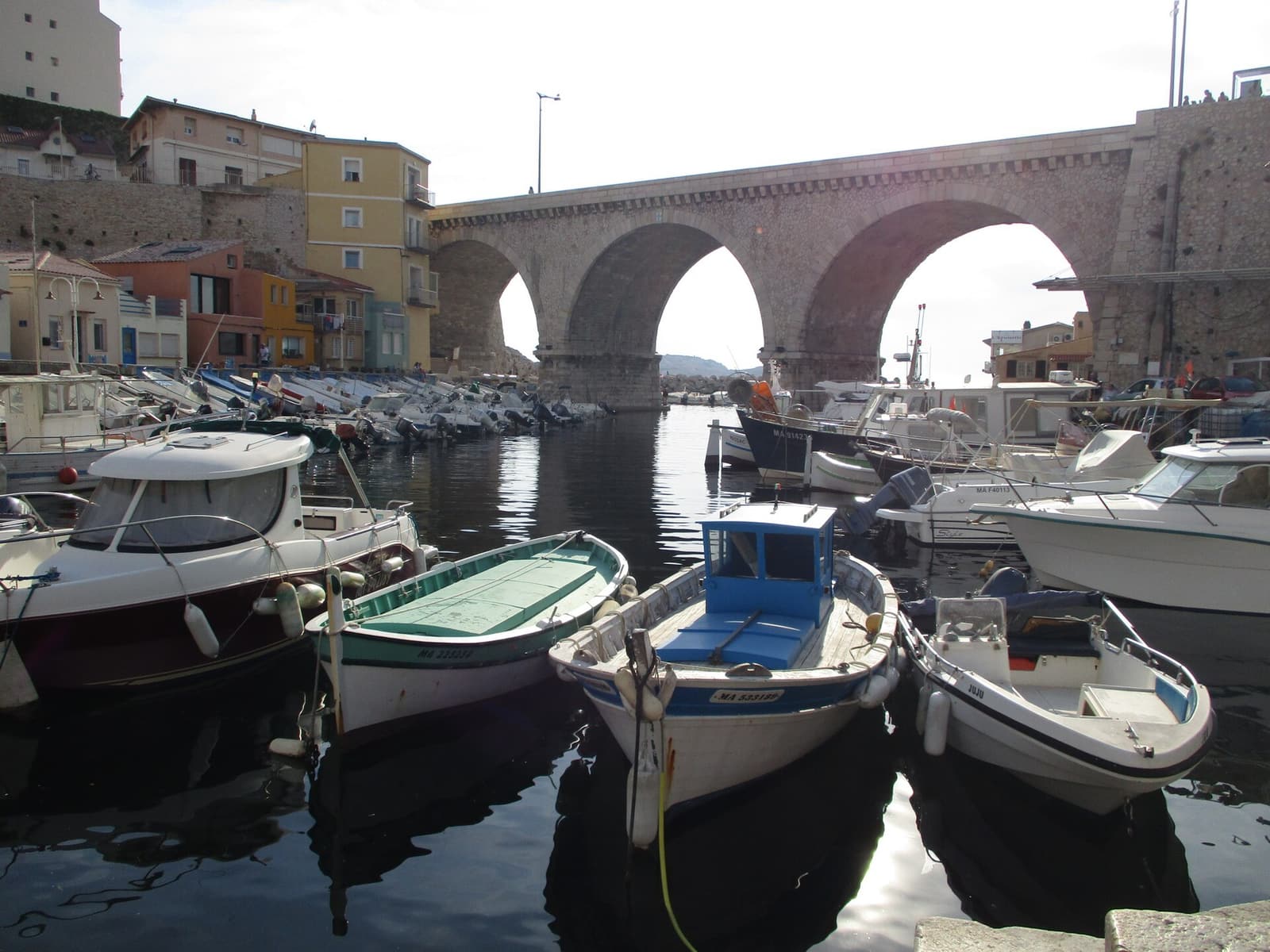
Small boats moored in the cove of the Vallon des Auffes below the arched bridge of the Corniche Coast & Calanques

Vallon des Auffes

A fishermen’s hideaway beneath the Corniche

A tiny cove tucked under a stone arched bridge on the Corniche Kennedy, packed with brightly painted wooden fishing boats called pointus and ringed by cabanons — the little fishermen’s houses. It feels like a village a few minutes from the city centre and is one of the classic places in Marseille to eat bouillabaisse or to watch the sunset over the islands.

The Calanque de Sugiton, a turquoise inlet between white limestone cliffs and pine trees Coast & Calanques

Calanques National Park

Turquoise fjords of white limestone, from Marseille to Cassis

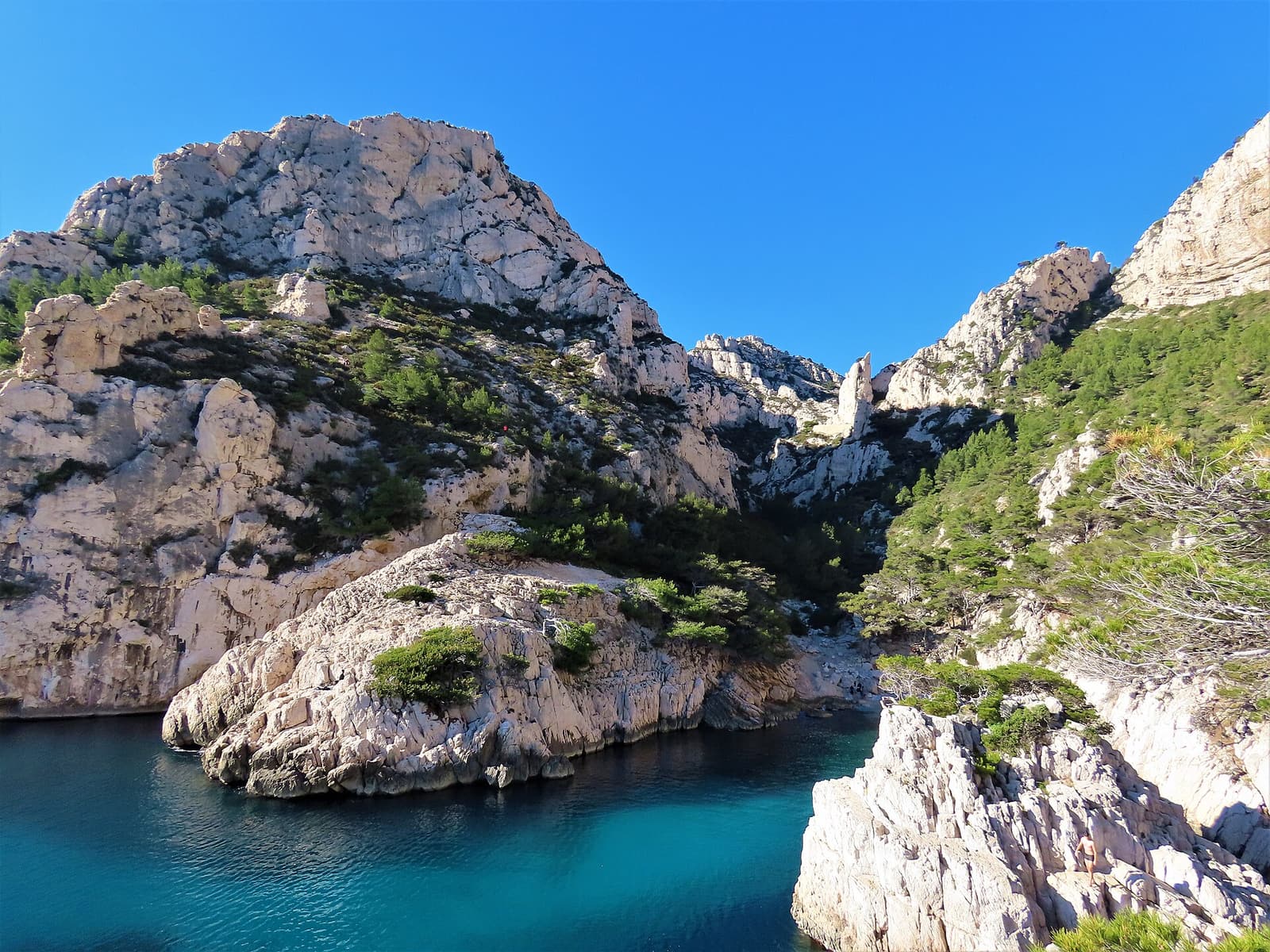
Created in 2012, the Parc national des Calanques protects about 20 km of coast between the southern edge of Marseille and La Ciotat — narrow inlets of turquoise water between cliffs of white limestone and Aleppo pines — together with the islands offshore, including much of Frioul. Sormiou, Morgiou, Sugiton, En-Vau and Port-Pin are the famous names. They can be reached on foot or seen from the sea on a boat trip from the Old Port.

Fishing boats moored in the harbour of Cassis with pastel houses and café terraces behind Coast & Calanques

Cassis

A fishing port at the end of the Calanques

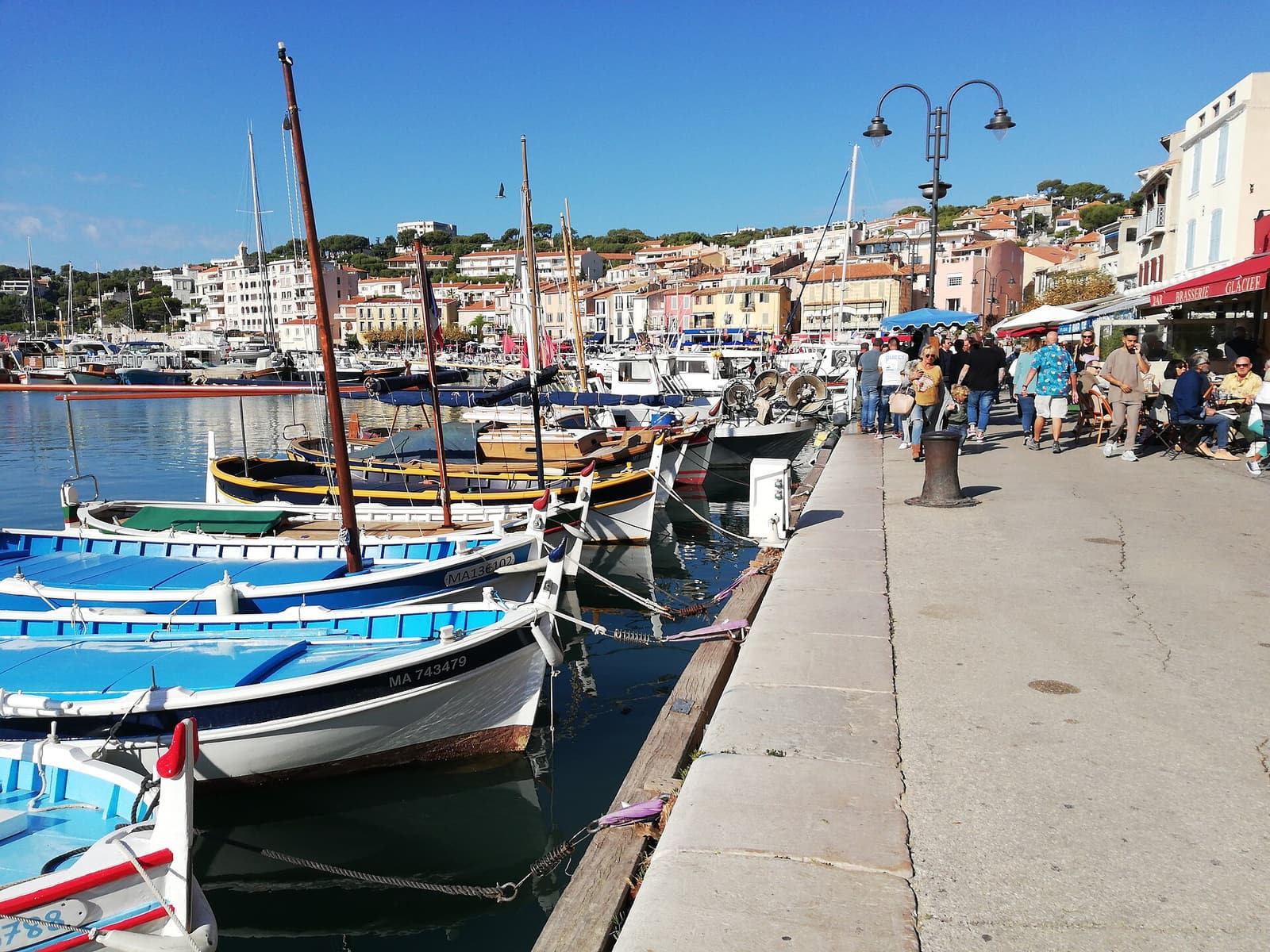
Thirty kilometres east of Marseille, Cassis is a small harbour town of pastel houses, café terraces and fishing boats, overlooked by the great cliff of Cap Canaille and surrounded by vineyards that produce a well-known white wine. Boats from its port visit the nearby calanques of Port-Miou, Port-Pin and En-Vau, making it the most popular day trip from Marseille.

How to fit them together

  • A morning: the Château d'If — first boat from the Vieux-Port, an hour on the island.
  • An afternoon: Frioul — walk to the Hôpital Caroline, swim at Saint-Estève, last boat back.
  • Half a day in town: Le Panier and the MuCEM in the morning, Notre-Dame de la Garde for the late-afternoon light.
  • An evening: the Vallon des Auffes and the Corniche at sunset, with the islands on the horizon.
  • A full day: the Calanques by boat, or Cassis.

Read the visitor guide and our itineraries for day-by-day plans, and reserve boats and tickets early in summer.

Plan your Château d'If trip

Summer boats fill up. Book before you go.

In July and August the crossings to If and Frioul and the Calanques cruises run full, and the Mistral can cancel a day at short notice. Reserve early and keep a spare day — most tours can be cancelled free of charge.